
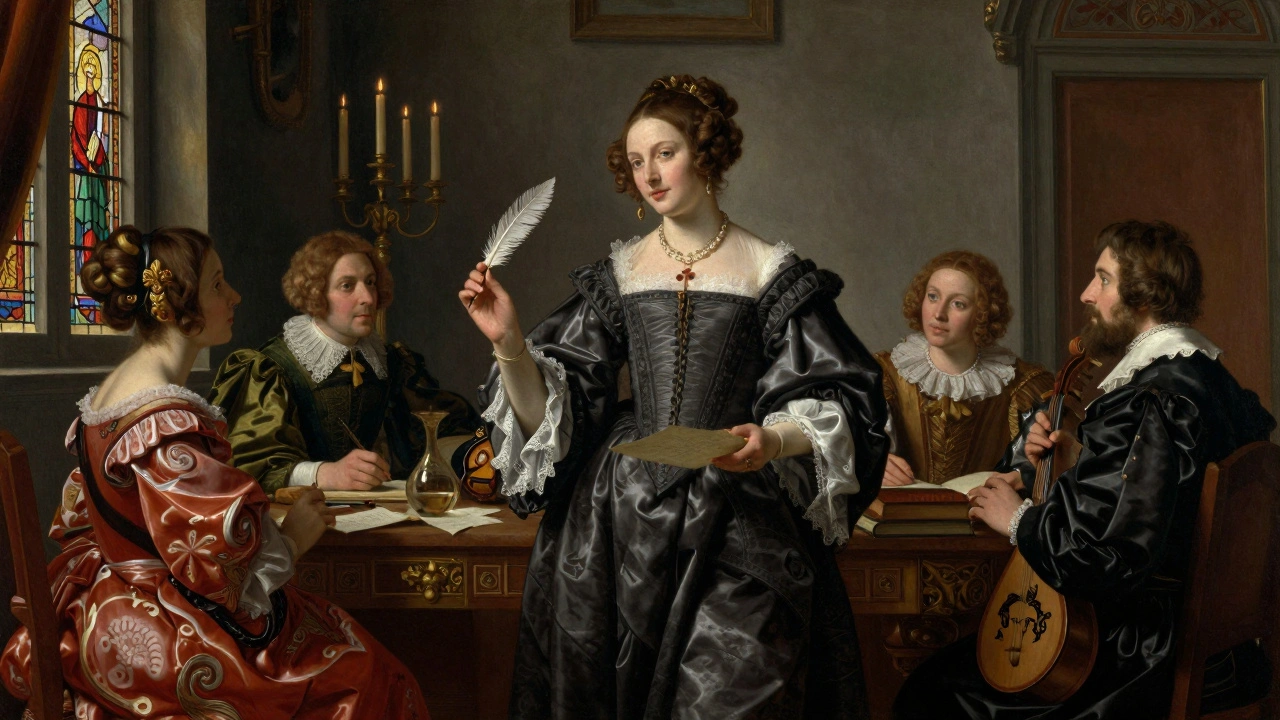
When you hear the word courtesan, what comes to mind? A glamorous figure from old paintings? A romanticized temptress in period dramas? The truth is far more complex-and far more powerful. Courtesans weren’t just companions; they were scholars, diplomats, artists, and strategists who moved in the highest circles of power across centuries and continents. Their legacy isn’t about scandal-it’s about survival, intellect, and influence in a world that tried to silence them.
What Was a Courtesan, Really?
A courtesan wasn’t a prostitute. That’s a common misunderstanding. A courtesan was a highly educated woman who offered companionship, conversation, and cultural refinement to wealthy and powerful men. In 16th-century Venice, 17th-century Paris, or 18th-century Delhi, courtesans were trained in music, poetry, philosophy, and politics. They spoke multiple languages, hosted salons, and advised kings and generals. Some even owned property, ran businesses, and funded artists.
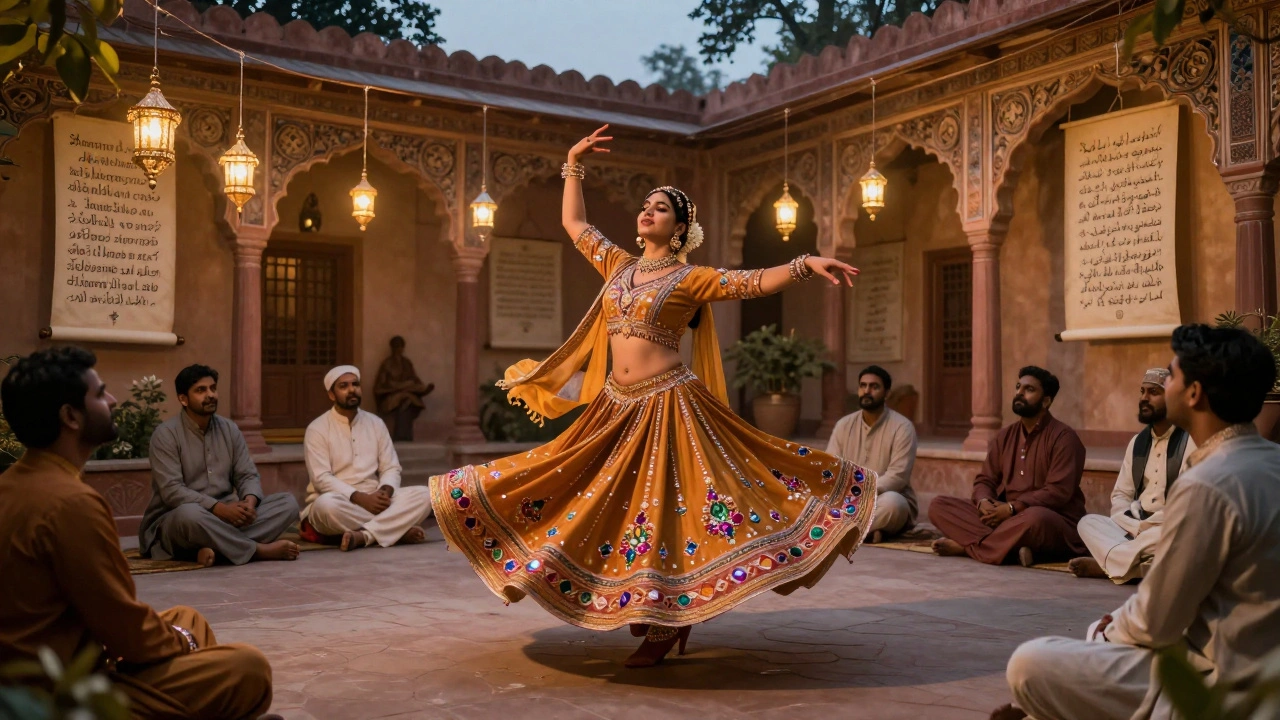
In India, tawaifs like Mumtaz Mahal (not to be confused with the Mughal empress) were masters of Kathak dance and Urdu poetry. In Japan, geisha were trained in tea ceremony, shamisen, and witty conversation-not sex. In Renaissance Europe, courtesans like Veronica Franco published poetry and defended their rights in court. These women didn’t rely on men for survival; they commanded respect through skill and intellect.
Why the Courtesan Legacy Matters Today
Think about it: how many women in history were allowed to own land, speak publicly, or influence policy before the 20th century? Courtesans did. They carved out space in patriarchal systems by turning their bodies into assets-but their real power came from their minds.
Modern women in leadership roles, entrepreneurs, and influencers are walking a path these women paved. The courtesan’s lesson? You don’t need permission to be powerful. You just need to be smarter, sharper, and more prepared than everyone else. In today’s world, that means mastering communication, building authentic networks, and understanding the unspoken rules of influence.
How Courtesans Built Their Influence
They didn’t wait for opportunities-they created them. Here’s how:
- Education was non-negotiable. A courtesan who couldn’t quote Virgil or improvise a sonnet was out of a job. They studied Latin, Greek, law, and theology-even when women were barred from universities.
- They curated their image. Every outfit, gesture, and word was deliberate. They understood branding long before the term existed.
- They built alliances. Courtesans didn’t just sleep with powerful men-they connected them. They were the original networkers, linking artists, politicians, and merchants.
- They documented their lives. Many wrote memoirs, letters, and poetry. These weren’t just personal records-they were political tools to shape their legacy.
One of the most striking examples is Veronica Franco of Venice. After being accused of witchcraft, she published a collection of letters defending herself-and won public sympathy. She didn’t beg for mercy. She argued her case with logic, wit, and literary flair.
The Courtesan’s Toolkit for Modern Life
You don’t need to live in 1720 Paris to use these lessons. Here’s how to adapt them today:
- Be the smartest person in the room-not the loudest. Listen more than you speak. Ask questions that make others think.
- Invest in your personal brand. Your online presence, tone of voice, and appearance send messages. Make sure they match your goals.
- Turn relationships into networks. Don’t just collect contacts. Add value to them. Share resources. Introduce people who should know each other.
- Write your story. Keep a journal. Start a blog. Record your insights. Your experiences are more valuable than you think.
These aren’t tricks. They’re survival skills-ones that courtesans perfected under pressure. And they still work.
Myths vs. Reality: The Courtesan Legacy Debunked
Let’s clear up some persistent lies:
| Myth | Reality |
|---|---|
| Courtesans were sex workers. | Sex was sometimes part of the arrangement, but never the main value. Their intellect, artistry, and social skills were the currency. |
| They were powerless victims. | Many owned homes, managed finances, and hired staff. Some left fortunes to their children. |
| They were only in Europe. | Courtesan traditions existed in China (sing-song girls), India (tawaifs), Japan (geisha), and the Ottoman Empire (odalisques). |
| They were forgotten by history. | They influenced literature, music, and politics. Think of Carmen, Madame de Pompadour, or the women who inspired Tolstoy and Dostoevsky. |
What Happened to the Courtesan Tradition?
By the late 1800s, industrialization, rising middle-class morality, and women’s suffrage movements changed everything. The old systems of patronage collapsed. Women gained legal rights to education and property, so the need for courtesans as a path to power faded.
But their disappearance didn’t mean their lessons vanished. It just got buried under centuries of shame and misrepresentation. Today, we see echoes of courtesan wisdom in female entrepreneurs who build empires through charm and intelligence, in influencers who turn personal brands into global platforms, and in women who lead without titles.

Why This Legacy Should Inspire You
You don’t need a palace or a noble patron to be powerful. You need three things: knowledge, presence, and strategy.
Courtesans knew that influence isn’t about who you sleep with-it’s about who you make feel understood, challenged, and inspired. In a world where attention is currency, that’s more valuable than ever.
What would you do if you stopped waiting for permission and started building your own power? What would your salon look like? Who would you invite? What would you say?
Frequently Asked Questions
Were courtesans respected in their time?
Yes-among the elite. While the general public often mocked them, kings, artists, and philosophers sought their company. In Venice, courtesans were legally recognized as a distinct class with rights to property and contracts. In India, tawaifs were considered guardians of classical arts. Respect wasn’t universal, but it was real among those who mattered.
Did courtesans have any control over their lives?
More than most women of their era. Many chose their patrons, set their own fees, and negotiated terms. Some retired early to run boarding houses or schools. A few even became patrons themselves, funding poets and musicians. Their autonomy was limited by gender norms, but they pushed those limits harder than almost anyone else.
Are there modern equivalents to courtesans?
Yes-but they’re not called that. Think of high-end consultants, cultural influencers, or even elite event hosts who build deep relationships with powerful people. The difference? Today’s women can access formal education and legal rights, so they don’t need to rely on patronage systems. But the core skills-charisma, emotional intelligence, and strategic networking-are the same.
Why do people romanticize courtesans in movies?
Because it’s easier than confronting uncomfortable truths. Movies turn them into tragic lovers or seductresses because it fits a familiar story. The real power of courtesans-intellectual dominance, economic independence, and cultural authority-is harder to show. But it’s far more inspiring.
Can I learn from courtesans without glorifying their lifestyle?
Absolutely. You don’t have to approve of their circumstances to admire their resilience. Their legacy isn’t about sex or scandal-it’s about how they used every tool available to rise above their constraints. That’s a lesson anyone can use: make the most of what you’ve got, and never let anyone define your worth.
Final Thought: Your Power Is Already There
You don’t need a title, a trust fund, or a royal patron to be influential. You just need to know your value-and be brave enough to show it. The courtesans didn’t wait for society to change. They changed the game from within. You can too.
Natalie Norman
December 8, 2025 AT 08:23This article made me cry. Not because it’s sad-but because it’s true. These women were brilliant, and we’ve been taught to laugh at them instead of learning from them. I’m going to start keeping a journal tonight. Not just thoughts-strategic thoughts. What would Veronica Franco write if she had Instagram?
And why do we still treat smart women like threats?
Nithin Kumar
December 9, 2025 AT 17:05Geisha were never courtesans. This is pure Western fantasy. In India, tawaifs were artists-yes-but also commodified. Don’t romanticize exploitation. Real power is voting rights and bank accounts, not poetry in a brothel. We moved on for a reason.
Helene Gagnon
December 10, 2025 AT 17:14They were controlled by men and used as tools. This is all part of the elite’s plan to make women think they can ‘rise’ by being pretty and witty. The real power? The ones who stayed quiet, raised kids, and built communities. This article is a distraction. The system didn’t change-it just got quieter. 🤫👁️🗨️
Sarah Fleming
December 10, 2025 AT 17:36It’s not merely about intellect-it’s about the ontological reclamation of agency within patriarchal architectures of desire. The courtesan, as a liminal figure, exists not as an exception to the rule, but as its most potent subversion: a woman who weaponized aesthetics, turned vulnerability into capital, and redefined the very semantics of influence-without ever being granted legitimacy by the institutions that feared her. We must ask: if power is the ability to shape perception, then were they not the original influencers? And if so, why does our collective memory insist on erasing them as ‘fallen’ rather than ‘fearless’?
-And why do we still punish women who refuse to be passive?
Grace Shiach
December 11, 2025 AT 09:39Well-researched. Clear structure. Accurate historical references. Thank you for correcting the myth that courtesans were sex workers. This should be taught in schools.
Rob Schmidt
December 12, 2025 AT 00:00Why are we glorifying women who slept with rich guys? We’ve got real heroes-soldiers, firefighters, moms working two jobs. Stop romanticizing old scandals.