You’ve probably heard the word courtesan in movies or novels-elegant, mysterious, always in silk, surrounded by nobles. But what most people don’t realize is that being a courtesan wasn’t just about beauty or charm. It was a high-stakes profession that demanded years of rigorous training, sharp intellect, and emotional discipline. These women weren’t simply companions-they were artists, diplomats, and strategists in a world that gave them little formal power but demanded everything from them.
Key Takeaways
- Courtesans were trained in music, dance, poetry, and conversation-not just seduction.
- Success depended on intellect, social awareness, and emotional intelligence, not just physical appearance.
- Training could last a decade, often starting in childhood under strict mentors.
- They navigated political power structures, often influencing kings, generals, and merchants.
- Many became wealthy, owned property, and even founded schools for future courtesans.
What Exactly Was a Courtesan?
A courtesan wasn’t a prostitute. That’s a common mistake. A courtesan was a highly educated woman who provided intellectual, artistic, and emotional companionship to wealthy men-often royalty, nobles, or powerful merchants. She was hired for her mind as much as her presence. In 16th-century Venice, 17th-century Paris, or Edo-period Japan, courtesans were treated like elite performers, not servants.
Think of them as the CEOs of social influence. They didn’t just attend parties-they ran them. They decided which poets got published, which musicians got patronage, and which political alliances were formed over dinner. Their value wasn’t in their body; it was in their ability to make a man feel understood, admired, and inspired.
How Did Courtesans Train for Success?
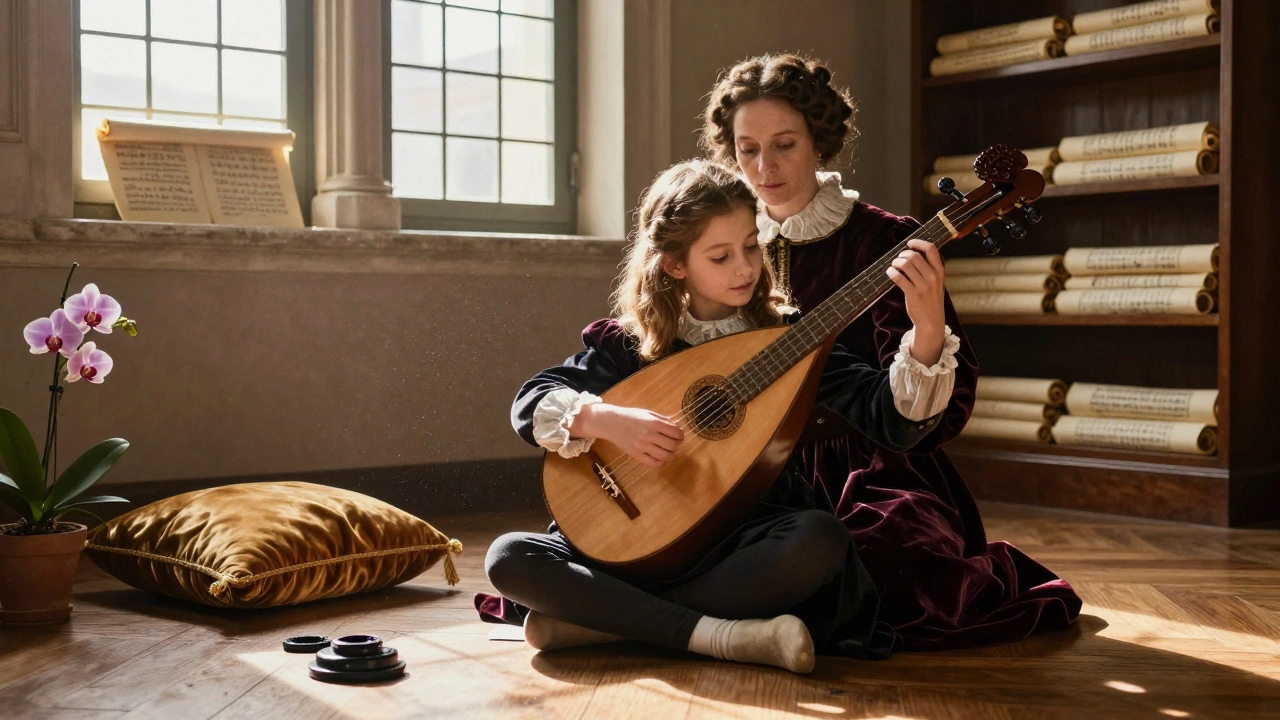
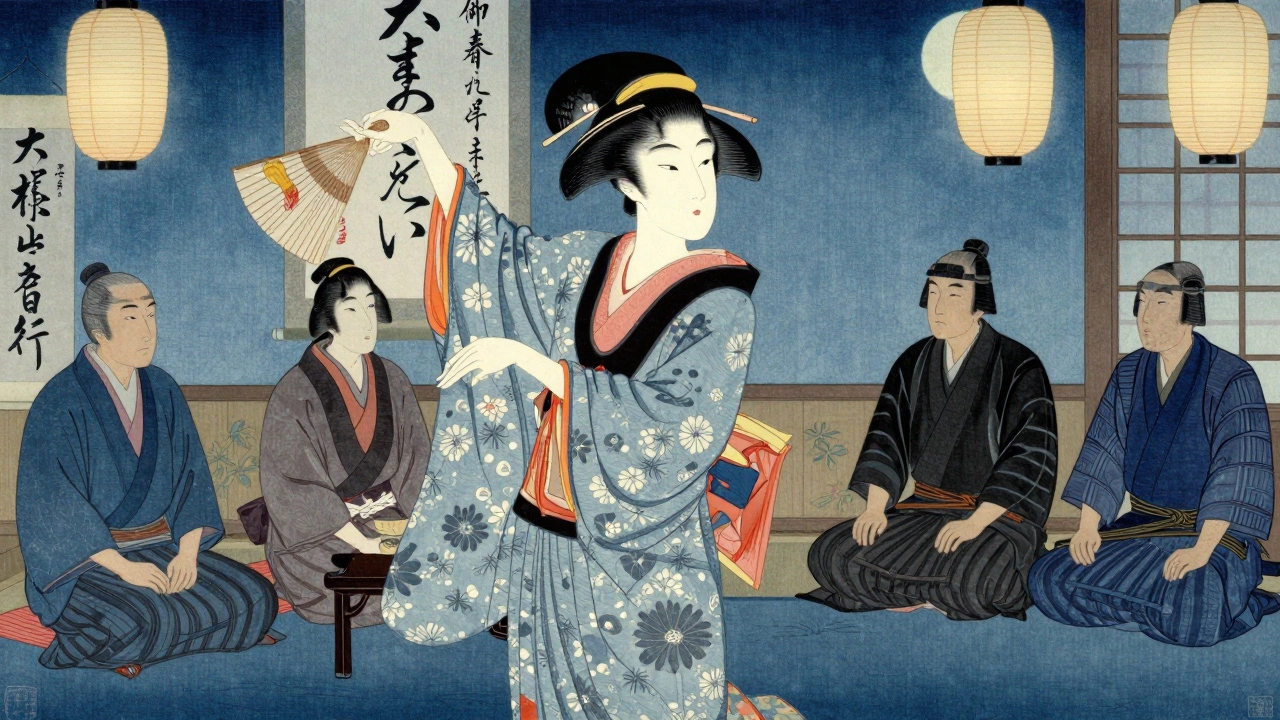
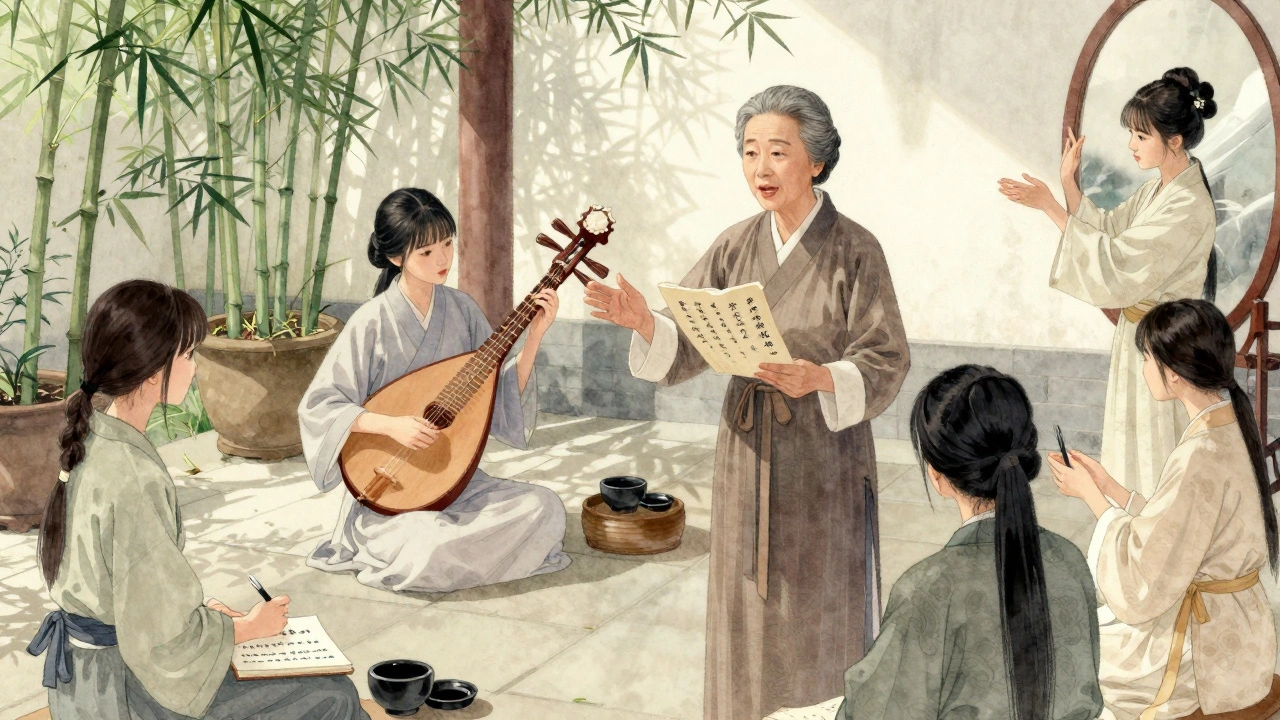
The training wasn’t a secret-it was brutal, systematic, and sometimes began before a girl turned ten. In Italy, girls from poor families were often sold or placed under the care of a maestra, a senior courtesan who ran a scuola (school). In Japan, apprentices in the oiran class entered the yuukata houses as children and spent years learning under strict supervision.
Here’s what their daily training looked like:
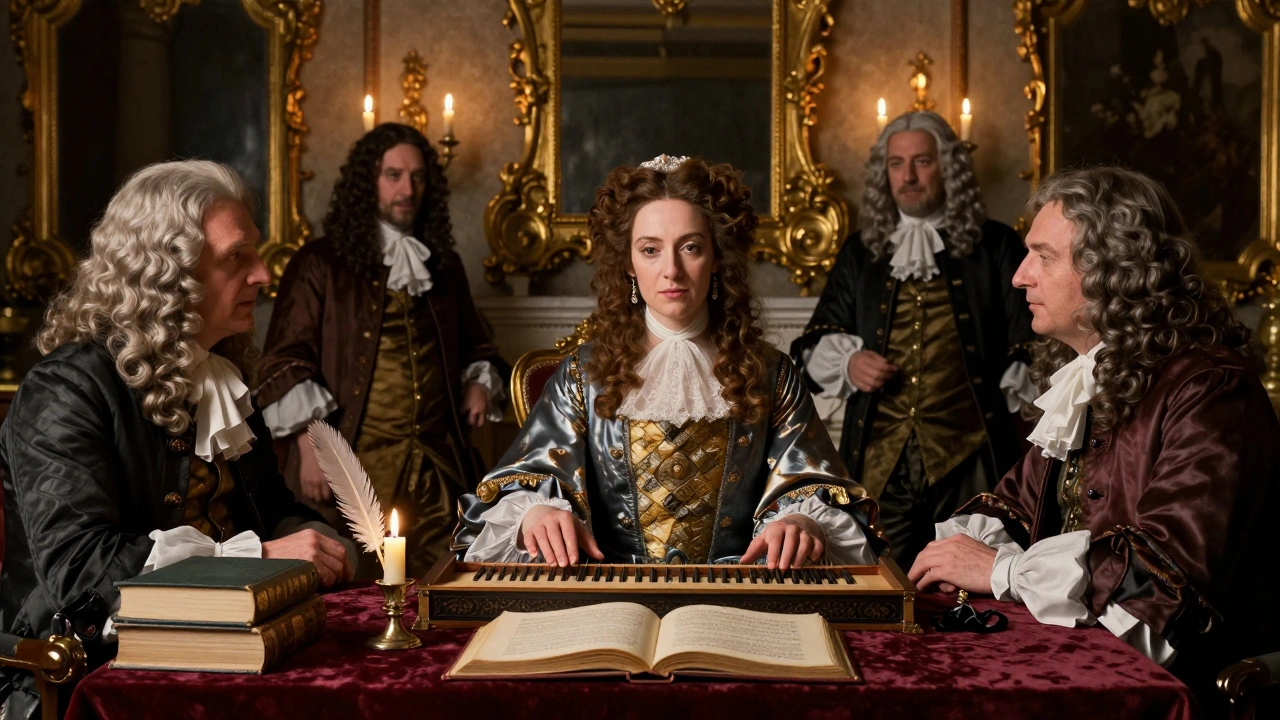
- Music and Dance: They studied classical instruments-lute, harp, shamisen, or pipa-for hours every day. Mastery wasn’t optional. A single wrong note could ruin a night’s reputation.
- Poetry and Literature: They memorized works by Dante, Rumi, Bashō, and Ovid. They learned to compose their own verses, often using subtle metaphors to critique power without getting banished-or worse.
- Conversation and Rhetoric: They practiced debating philosophy, politics, and religion. A courtesan who couldn’t hold her own against a bishop or a general was useless.
- Etiquette and Body Language: Every gesture mattered. The way she sat, how she poured tea, even how she lowered her eyes could signal respect, challenge, or flirtation. One misstep in court could cost her patronage.
- Financial Literacy: Many courtesans managed their own finances, negotiated contracts, invested in land, and even lent money to nobles. Some became richer than the men they entertained.
Training could take 8 to 12 years. Only the most disciplined, intelligent, and emotionally resilient made it to the top tier.
Why Did This System Work?
Because it was the only path open to women with ambition in societies that barred them from universities, politics, or business. A courtesan could own property, inherit wealth, and even raise her own children without marriage. Some, like Veronica Franco in Venice, became published authors. Others, like O-Naka in Edo Japan, founded their own schools and trained the next generation.
They didn’t need permission to rise. They built their own ladder-with ink, music, and wit.
What Set the Best Courtesans Apart?
Physical beauty faded. But a sharp mind? That lasted. The most successful courtesans had one thing in common: they understood human psychology better than any courtier.
They knew when to speak and when to stay silent. When to flatter and when to challenge. When to offer comfort and when to push a man to think harder.
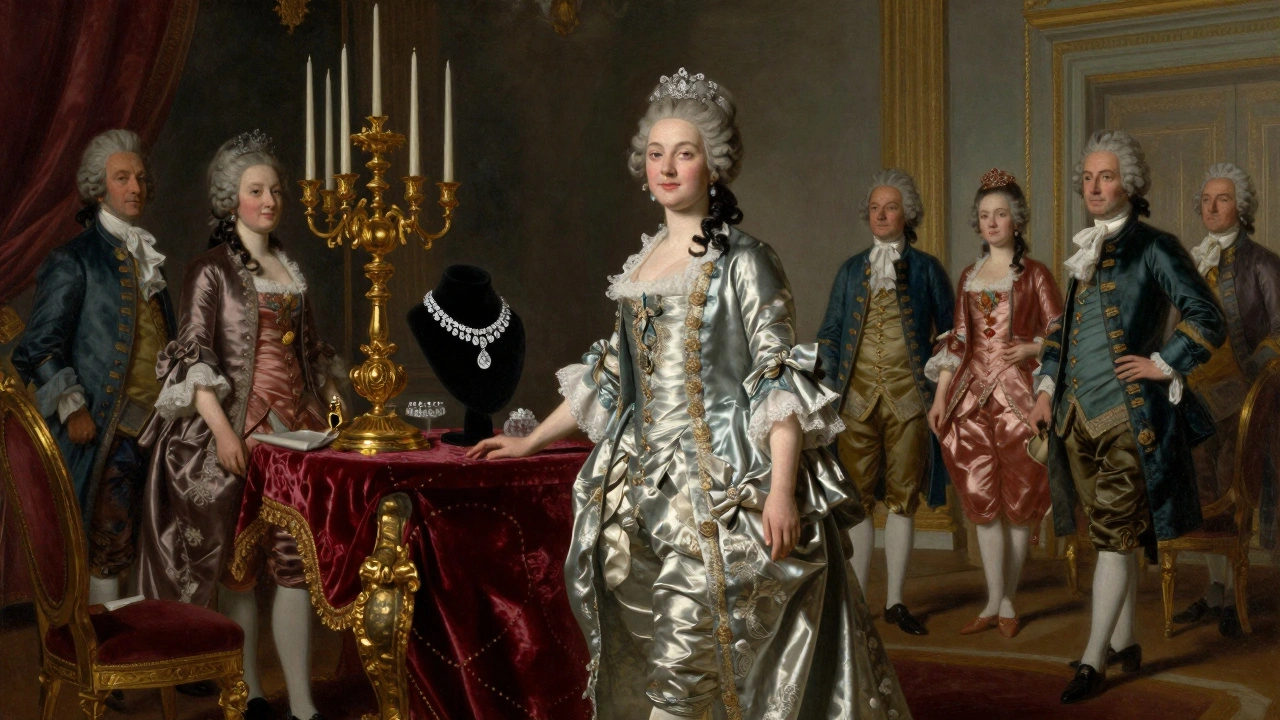
One famous courtesan in 18th-century France, Madame de Pompadour, didn’t just sleep with King Louis XV-she reshaped French art, politics, and fashion. She chose the ministers. She funded the Enlightenment thinkers. She turned her role as companion into a throne.
She didn’t win because she was pretty. She won because she was brilliant.
How Did They Handle Failure?
Not every courtesan made it. Many were discarded when they aged, when a rival appeared, or when a patron lost favor. But the smart ones had exit strategies.
Some retired early and opened boarding houses for other women. Others became teachers, writing manuals on etiquette, poetry, or financial management. A few even married-sometimes to the very men who once paid for their company.
One of the most remarkable examples is Takao, a courtesan in Kyoto who, after decades in the pleasure quarters, became a Buddhist nun and wrote a memoir that became a bestseller in Edo Japan. Her book, The Art of Being Seen Without Being Owned, was passed down for generations.
Modern Echoes: What We Can Learn Today
It’s easy to dismiss courtesans as relics of a sexist past. But if you look closer, you’ll see their legacy in modern careers that demand emotional intelligence, cultural fluency, and strategic charm.
Think of today’s influencers, high-end consultants, political advisors, or even luxury brand ambassadors. They don’t sell products-they sell experience, trust, and insight. Like courtesans, their value lies in how they make people feel: seen, valued, and understood.
Their training? It wasn’t about seduction. It was about mastery.
FAQ: Your Questions About Courtesans Answered
Were courtesans forced into their roles?
Some were, especially in early adolescence when families sold daughters due to poverty. But many others chose the path willingly. For girls with talent and ambition in societies where women had no inheritance rights or access to education, becoming a courtesan was one of the few ways to gain autonomy, wealth, and influence. The most successful often trained their own apprentices, creating networks of women who supported each other.
Did courtesans have any legal rights?
In places like Venice and Edo Japan, courtesans had more legal standing than most women. They could sign contracts, own property, sue for breach of agreement, and even inherit estates. In France, they were often protected by royal decree because of their influence. Their contracts were legally binding, and many had lawyers to represent them in disputes with patrons.
How were courtesans different from concubines?
Concubines were typically kept in private households, often without public recognition, and their role was strictly domestic or reproductive. Courtesans operated publicly, maintained their own households, and were hired for intellectual and social companionship. A concubine might bear children; a courtesan shaped culture.
Did courtesans ever marry?
Yes-sometimes. A few rose so high in status that noblemen married them, especially if they had inherited wealth or political connections. In Venice, some courtesans married into merchant families and became matriarchs. In Japan, former courtesans sometimes married samurai who admired their intellect. But marriage was rare; most preferred independence.
What happened to courtesans after they retired?
Many became teachers, authors, or patrons of the arts. Some opened schools for young women, teaching music, poetry, and etiquette. Others invested in real estate or ran boarding houses. A few entered religious life, like Takao in Kyoto, who became a nun and wrote memoirs still studied today. Their wealth and skills gave them options most women of the time never had.
Final Thought
Courtesans didn’t just survive in a world that didn’t want them-they mastered it. Their training wasn’t about pleasing men. It was about becoming irreplaceable. And in doing so, they rewrote the rules of power, influence, and independence. You don’t need silk or a palace to learn from them. All you need is the courage to sharpen your mind-and never let anyone tell you what you’re capable of.