
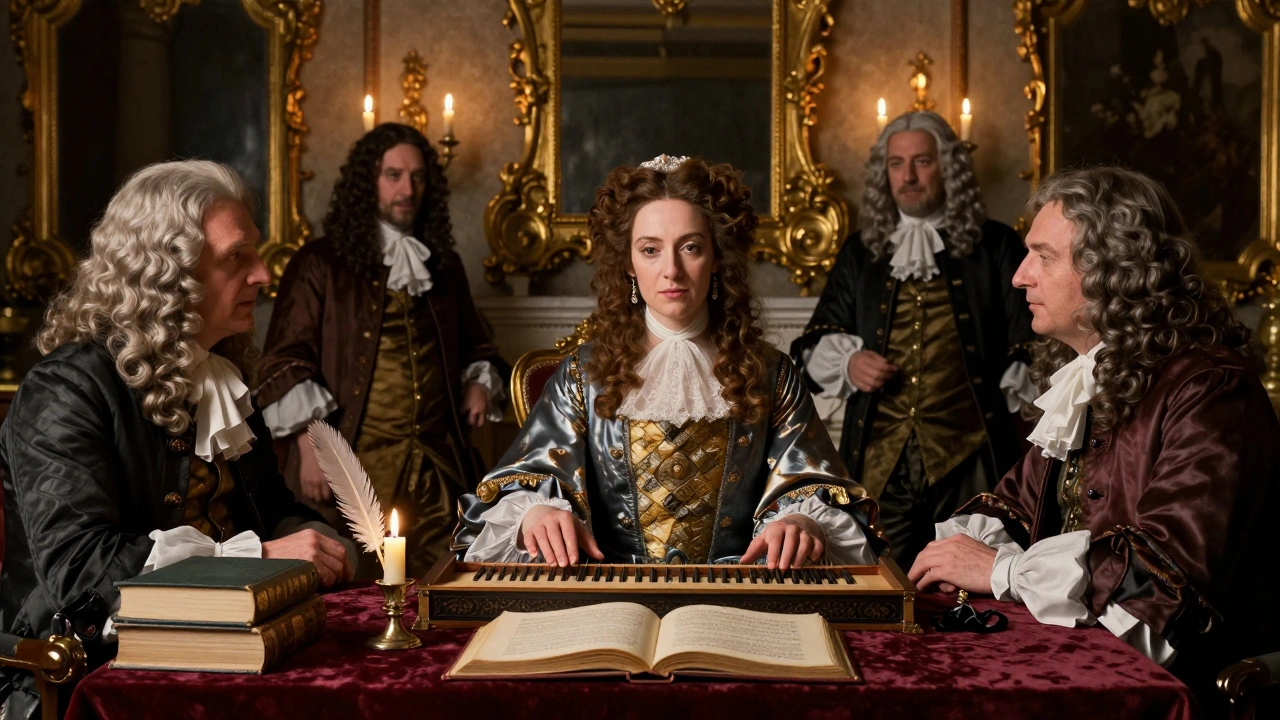
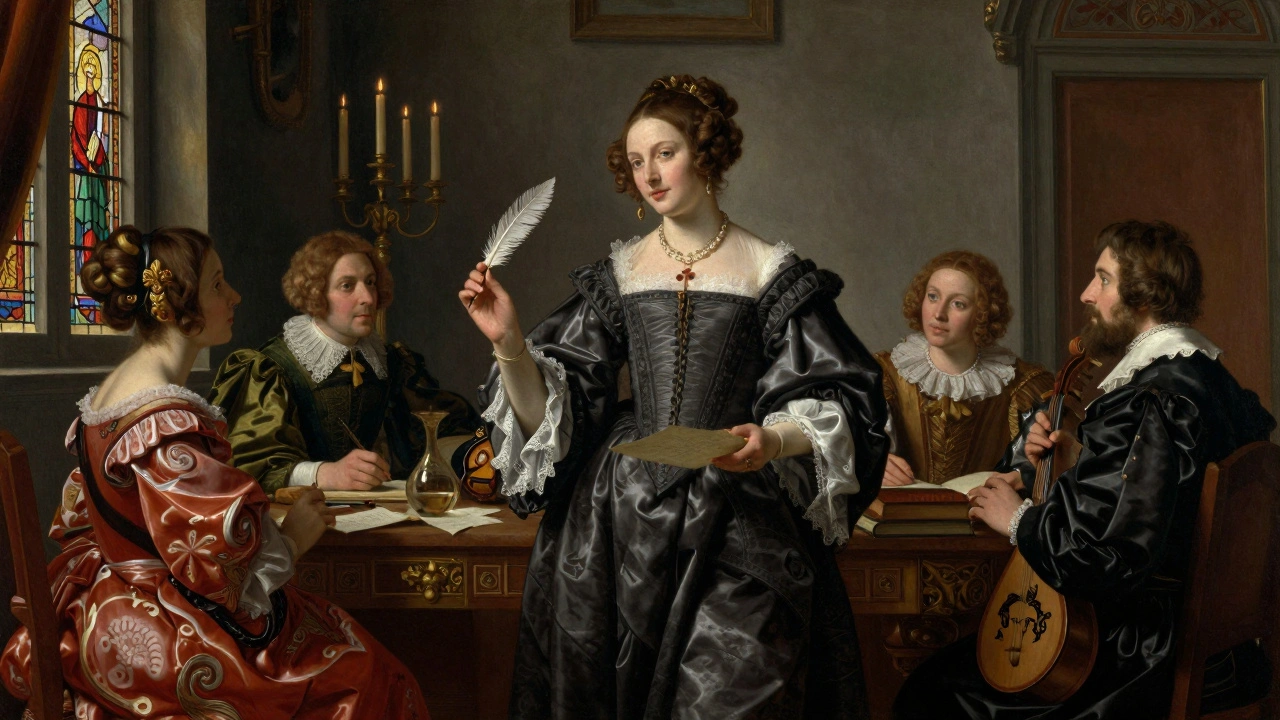
Think of a courtesan and you might picture a woman in silk, holding a fan, whispering secrets in a candlelit salon. But real courtesans weren’t just ornamental figures in old paintings-they were powerful, educated, and fiercely independent women who navigated dangerous social systems with wit, charm, and strategy. And when film and TV try to tell their stories, they often get it wrong. Or worse, they reduce them to tragic love interests or seductive villains. So what’s the truth behind these portrayals? And why do some films get it right while others miss the point entirely?
What Exactly Is a Courtesan?
A courtesan wasn’t a prostitute. That’s the first thing to clear up. Courtesans were highly trained companions-fluent in music, poetry, politics, and philosophy-who offered intellectual and emotional intimacy alongside physical relationships. In 16th-century Venice, 17th-century Paris, or Edo-period Japan, courtesans could own property, run salons, and influence kings and artists. Their value wasn’t in their bodies alone-it was in their minds. And yet, Hollywood and streaming platforms rarely show that side.
When you see a courtesan on screen, she’s often framed as either a victim or a temptress. Rarely is she the architect of her own destiny. That’s the gap between history and Hollywood.
Why Courtesan Stories Matter Today
Why should you care about women from centuries ago? Because their struggles echo now. Courtesans had to survive in a world that gave them no legal rights, no inheritance, and no safety net-yet they carved out power anyway. They used education, social skill, and personal branding to climb out of poverty. Sound familiar? Today’s influencers, entrepreneurs, and content creators face similar pressures: to be seen, to be desirable, to be valuable beyond just appearance.
Courtesan portrayals in film and TV aren’t just about the past. They’re about how society still views women who choose non-traditional paths. Are they tragic? Dangerous? Empowered? The answer tells us more about our own biases than about the women themselves.
How Courtesans Are Shown in Film and TV
Let’s break down the common tropes-and which ones actually hold up.
- The Tragic Victim: Think of La Traviata adaptations, where Violetta dies of tuberculosis after giving up love. She’s noble, pure, and doomed. The message? Even the smartest woman can’t escape her fate if she steps outside marriage.
- The Seductress: In The Wolf of Wall Street, the character Naomi is a modern stand-in for the courtesan archetype-beautiful, manipulative, and disposable. She exists to serve the male lead’s ego, not to have a story of her own.
- The Empowered Survivor: This is rarer. But Marco Polo (Netflix) gave us Doquz Khatun, a real historical courtesan-turned-political-advisor, portrayed with agency and intelligence. Or Geisha (though flawed) in Memoirs of a Geisha, where the protagonist, Sayuri, uses her artistry to gain control over her future.
The best portrayals don’t romanticize. They show the cost. The loneliness. The calculations. The quiet rebellion.
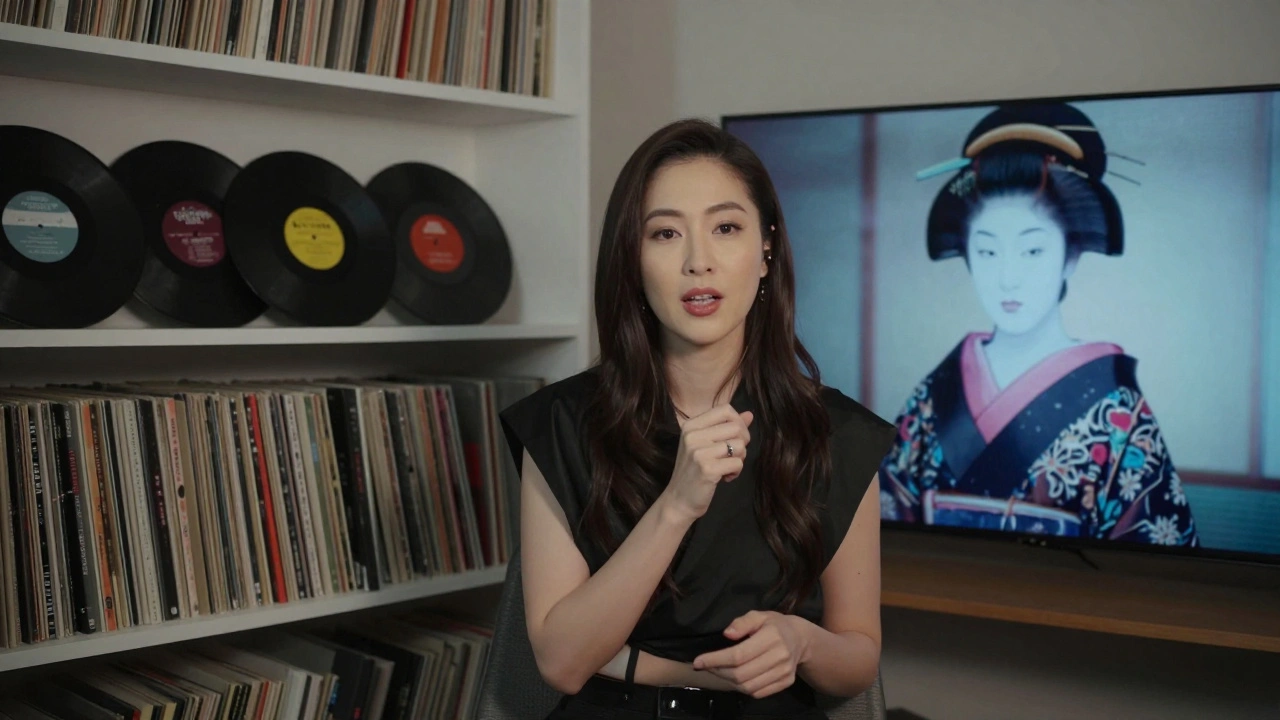
Best Film and TV Portrayals of Courtesans
Not all depictions are bad. Here are the ones that actually get close to the truth.
- Madame Bovary (1991): Though not a courtesan by title, Emma Bovary’s life mirrors the courtesan’s struggle: she trades intimacy for status, dreams of luxury, and pays the price. The film doesn’t judge her-it shows how society forces her into impossible choices.
- Geisha (2005): While criticized for casting, the film captures the rigorous training, the hierarchy, and the emotional labor of a geisha. The protagonist’s journey from servant to respected artist is the closest thing to a courtesan’s real arc in modern cinema.
- The Grand Budapest Hotel: M. Gustave’s relationship with Agatha isn’t romantic-it’s protective. And Agatha? She’s sharp, resourceful, and the real force behind the hotel’s survival. Her character quietly echoes the courtesan’s role: unseen, essential, and brilliantly competent.
- Sex and the City: Samantha Jones is the 21st-century courtesan. She owns her sexuality, negotiates her worth, and refuses to be defined by marriage. She doesn’t need a man to validate her. She’s not a victim. She’s a businesswoman.
These characters don’t ask for permission. They don’t apologize. They adapt. That’s the real courtesan legacy.
Where Film Gets It Wrong
Most movies treat courtesans like props. They exist to spark jealousy, trigger drama, or die tragically. Take Anna Karenina-Anna is brilliant, passionate, and deeply human. But the film reduces her downfall to a love affair. The real tragedy? She was erased by a society that couldn’t accept a woman who chose freedom over duty.
Another problem? The lack of diversity. Courtesans existed in China, India, Persia, and the Ottoman Empire. Yet most films focus on European ones. Where are the courtesans of Mughal India? The oiran of Kyoto? The harem women who held real political power? They’re invisible. And that erasure isn’t accidental-it’s systemic.
What Makes a Realistic Courtesan Character?
If you’re writing or watching a story about a courtesan, here’s what a truthful portrayal needs:
- Agency: She makes choices, even if they’re hard. She’s not just reacting to men.
- Skills: She reads, writes, plays an instrument, speaks multiple languages. Her value is intellectual, not just physical.
- Consequences: She faces real danger-social exile, violence, economic ruin. Her survival isn’t glamorous-it’s gritty.
- Community: She’s not alone. She has mentors, rivals, protégés. Courtesans operated in networks, not isolation.
- No redemption arc: She doesn’t need to “find love” or “marry well” to be worthy. Her worth is already there.
That’s what separates history from cliché.
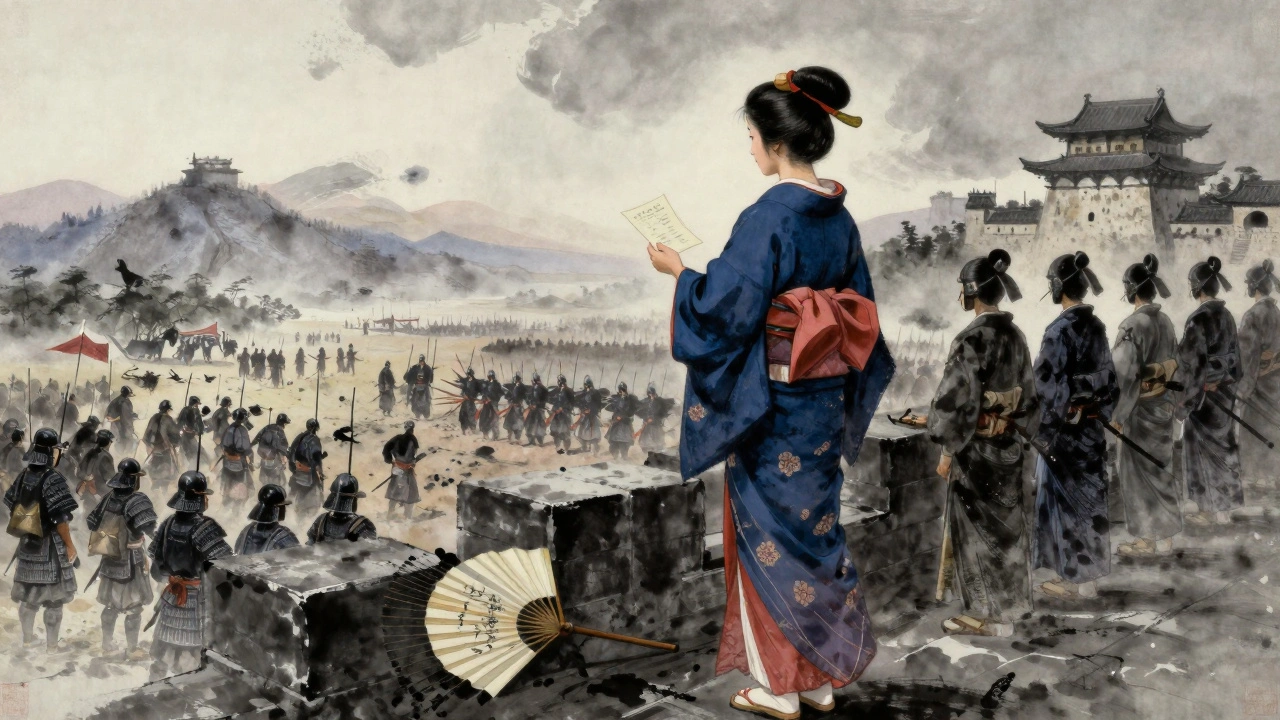
Why Modern Audiences Are Rewriting the Narrative
Streaming platforms are slowly changing the game. Shows like The Empress (2023) and Queen Charlotte (2023) are beginning to explore women who wield influence outside marriage. Audiences are tired of the damsel-in-distress trope. They want characters who outsmart the system, not just suffer through it.
And it’s not just about gender. It’s about power. Courtesans were early examples of women who turned their bodies into capital-without being owned by it. That’s a radical idea, even today.
More filmmakers are starting to consult historians. More scripts are being rewritten to show courtesans as complex, not tragic. It’s slow. But it’s happening.
What You Can Watch Next
Want to see courtesans portrayed with depth? Try these:
- Madame de… (1953) - French classic about a noblewoman who becomes a courtesan to survive.
- Yi Yi (2000) - Though not about a courtesan, it shows how women navigate emotional economies in modern society.
- The Tale (2018) - A raw look at how young women are groomed into roles that demand their silence. Hauntingly parallels courtesan histories.
- Shōgun (2024) - Features a real historical courtesan-turned-adviser, Lady Mariko. She’s intelligent, politically savvy, and never reduced to a love interest.
These aren’t just stories. They’re mirrors.
Final Thought: The Courtesan Isn’t Dead-She’s Just on a Different Stage
The courtesan didn’t vanish. She evolved. Today, she’s the female founder who negotiates her valuation. The influencer who monetizes her authenticity. The artist who refuses to be labeled. The woman who says, ‘I won’t be owned, but I will be paid.’
When film and TV finally stop seeing courtesans as objects and start seeing them as architects-then we’ll know we’ve begun to understand them.
Were courtesans really that powerful?
Yes. In places like 18th-century Paris or 17th-century Venice, courtesans could own property, commission art, and advise nobles. Some, like Veronica Franco in Venice, even published poetry and defended their status in public debates. Their power came from intellect, connections, and social control-not just charm.
Why do so many films make courtesans tragic?
Because it’s easier to sell a story about a woman who dies for love than one who outsmarts the system. Tragedy reinforces old ideas: women who step out of line must be punished. But real courtesans didn’t die because they were immoral-they died because the system was cruel. Films often ignore that.
Are geishas the same as courtesans?
Not exactly. Geishas were entertainers trained in music, dance, and conversation. While some had sexual relationships, it wasn’t their primary role. Courtesans, especially in Europe, often had romantic or sexual partnerships as part of their economic survival. The confusion comes from Western films that lump them together.
Is there a modern equivalent to a courtesan?
Yes. Think of high-end influencers, luxury brand ambassadors, or even elite escorts who build personal brands. Like courtesans, they trade on charm, intelligence, and social capital. The difference? Today’s version can own her content, control her image, and earn millions-without needing a patron.
Why don’t we hear more about non-European courtesans?
Because Western media has historically ignored non-European histories. Courtesans thrived in Mughal India, Qing China, and the Ottoman Empire. Figures like the Chinese courtesan Li Xiangjun or the Ottoman harem women who influenced sultans are rarely shown. It’s not that they didn’t exist-it’s that their stories were deemed less ‘cinematic’ by colonial-era standards.
Jodie Rae Plaut
January 7, 2026 AT 18:42Courtesans weren't just 'historical influencers'-they were early-stage venture capitalists of intimacy. Their social capital was liquid, their networks were hedge funds, and their brand equity? Off the charts. The real tragedy isn't that Hollywood misrepresents them-it's that we still reduce female agency to sexual transactions instead of recognizing their structural genius. They operated in a zero-sum game and still won.
Colin Napier
January 8, 2026 AT 04:16Actually, you're conflating geishas with courtesans-this is a persistent Western misinterpretation rooted in colonial orientalism. Geishas were entertainers, not sexual commodities; courtesans were economic actors. The distinction matters, because when you blur them, you erase the specific historical contexts that made each role functionally unique-and politically dangerous.
Patsy Ferreira
January 9, 2026 AT 16:02Wait-so you're saying Samantha Jones is a courtesan? That's not even close. She's a narcissistic, privileged white woman who never faced real systemic oppression. Calling her a courtesan is like calling a Starbucks barista a medieval alchemist. You're romanticizing privilege as resistance. And also, 'monetizes her authenticity'? That phrase is so cringe it hurts my teeth.
Theophilus Twaambo
January 10, 2026 AT 10:02And yet, you completely ignore that the term 'courtesan' was often a euphemism for state-sanctioned prostitution in many cultures-including Venice and Paris-where these women were legally registered, taxed, and policed. Calling them 'empowered' ignores the fact that they were trapped in a system designed to exploit them. Your 'architect of her own destiny' narrative is a fantasy. Reality? They were disposable. Always.
Andrew Cheng
January 10, 2026 AT 18:01Just wanted to say-this post made me cry a little. I work with survivors of human trafficking, and the parallels are terrifying. The same scripts, the same erasure, the same 'she chose it' rhetoric. The fact that we still frame women who survive through non-traditional means as either victims or villains? That's the real tragedy. Thank you for naming the pattern.
Mark Black
January 11, 2026 AT 07:04So you're saying that a woman who sleeps with rich men to survive is a feminist icon? That's not empowerment-that's capitalism with a side of delusion. You're just repackaging patriarchy as self-actualization. Next you'll tell me that Uber drivers are modern-day serfs with equity options.
Jodie Rae Plaut
January 13, 2026 AT 00:22Actually, no-I'm saying that women who navigated systems designed to erase them, and still built legacies, wrote poetry, owned property, and outmaneuvered kings? That's not capitalism. That's resistance. You're projecting your cynicism onto their survival. And no, this isn't Uber drivers-it's Veronica Franco publishing treatises on women's rights in 1575 while being exiled by the Church. Try harder.
Jillian Angus
January 13, 2026 AT 11:48Wait-did you just imply that Lady Mariko from Shōgun is a 'real' courtesan? That's a red flag. The show was funded by a studio owned by a defense contractor. This whole narrative is a distraction tactic to make us think women have agency when we're still being surveilled, monetized, and commodified by the same systems. They're not heroes-they're propaganda.
Douglas McCarroll
January 14, 2026 AT 16:37Look, I get the frustration. But maybe instead of fighting over definitions, we should be asking: why are we so uncomfortable with women who thrive outside marriage? The answer isn't in history-it's in us. We still don't know how to value women who don't fit the script. That's the real work.
William Terry
January 15, 2026 AT 22:00So basically you're saying if a woman is smart and sexy she's a revolutionary? That's not empowerment that's just a Netflix trope. Real power is not needing to be seen at all. These women were tools. Period. End of story.