Courtesan Education: History, Power, and the Real Legacy of Female Autonomy
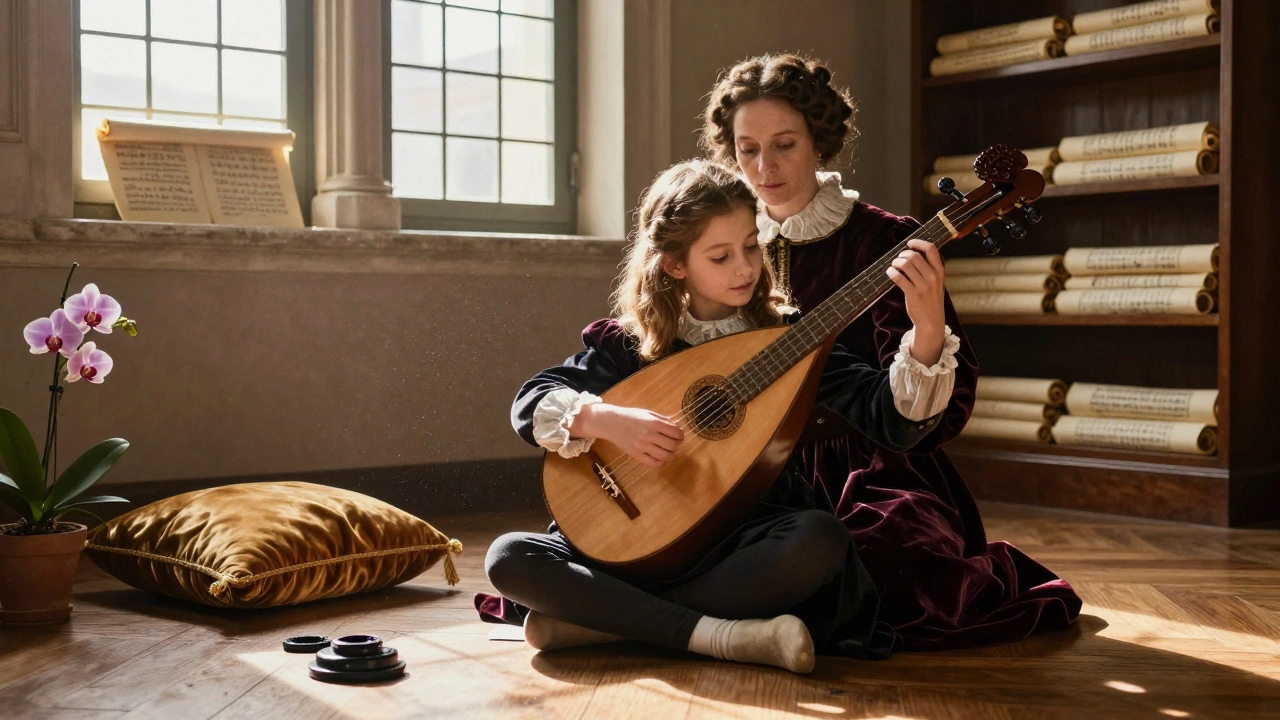
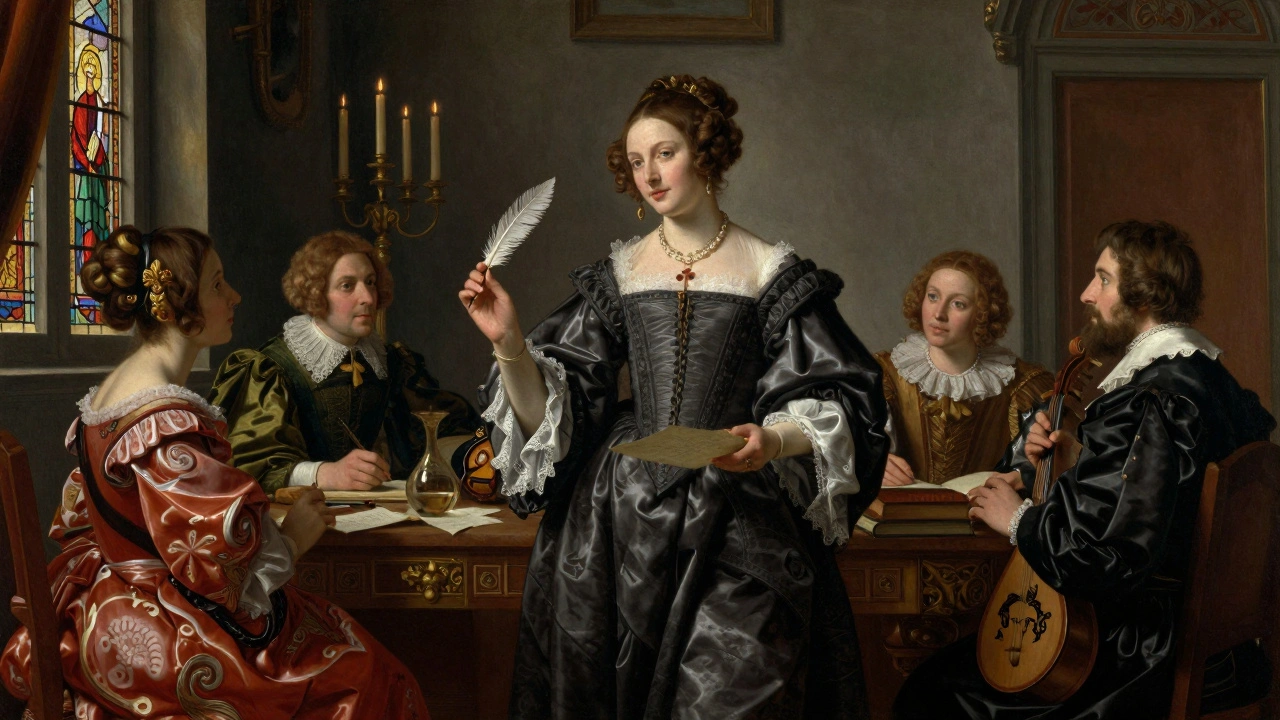
When you hear the word courtesan, a highly educated, independent woman who provided companionship, intellectual engagement, and sometimes intimacy in historical European courts. Also known as lady-in-waiting, it was never just about beauty—it was about brains, influence, and survival in a world that denied women most rights. Courtesan education wasn’t a side gig. It was a full-time career in mastery: languages, music, philosophy, politics, and social strategy. These women didn’t wait for permission to learn—they fought for it, bought it, and used it to build power.
Unlike most women of their time, courtesans owned property, managed their own finances, and chose their clients. They didn’t just entertain kings—they advised them. In 18th-century Venice, a courtesan like Veronica Franco could publish poetry, sue noblemen in court, and negotiate her own contracts. That’s not fantasy—that’s documented history. Their education gave them something most women couldn’t touch: agency. And that agency didn’t disappear. It flowed into early feminist movements, influencing how women later demanded education, legal rights, and control over their own bodies. The idea that a woman could be more than a wife or a servant? That idea was sharpened in the salons of courtesans long before suffrage marches.
Modern female autonomy, the right of women to make independent choices about their lives, careers, and relationships without societal coercion didn’t come from textbooks alone. It came from women who refused to be silent, even when silence was the only safe option. women's rights, the legal and social movement to ensure equal rights for women, including education, property ownership, and bodily autonomy owes a quiet debt to these women who lived outside the rules—and made the rules bend because of it. Courtesans didn’t ask for permission to be smart, wealthy, or respected. They took it.
Today, when people think of escort services, they often focus on sex. But the real story—shown in posts about London companionship, GFE, and independent escorts—is deeper. People aren’t just looking for physical presence. They’re looking for connection, conversation, and someone who knows how to listen. That’s not new. That’s the same need courtesans met centuries ago. The difference? Now, more women are choosing this path on their own terms—with apps, reviews, and legal awareness instead of royal patronage.
What you’ll find below isn’t just a list of articles. It’s a bridge—from the salons of 17th-century Europe to the quiet dinners in modern London. You’ll read how courtesans shaped history, how today’s companions protect their safety, and why real value in these relationships isn’t measured in cash, but in trust, respect, and human presence. This isn’t about what’s hidden. It’s about what was always there—and still matters.
Courtesans weren't just beautiful companions-they were elite intellectuals trained in music, poetry, politics, and strategy. Discover how these women mastered influence in a world that denied them power.
View More
The legacy of courtesans goes far beyond romance and scandal. These women were scholars, strategists, and influencers who shaped culture and power. Here’s what their lives teach us about intelligence, influence, and independence today.
View More