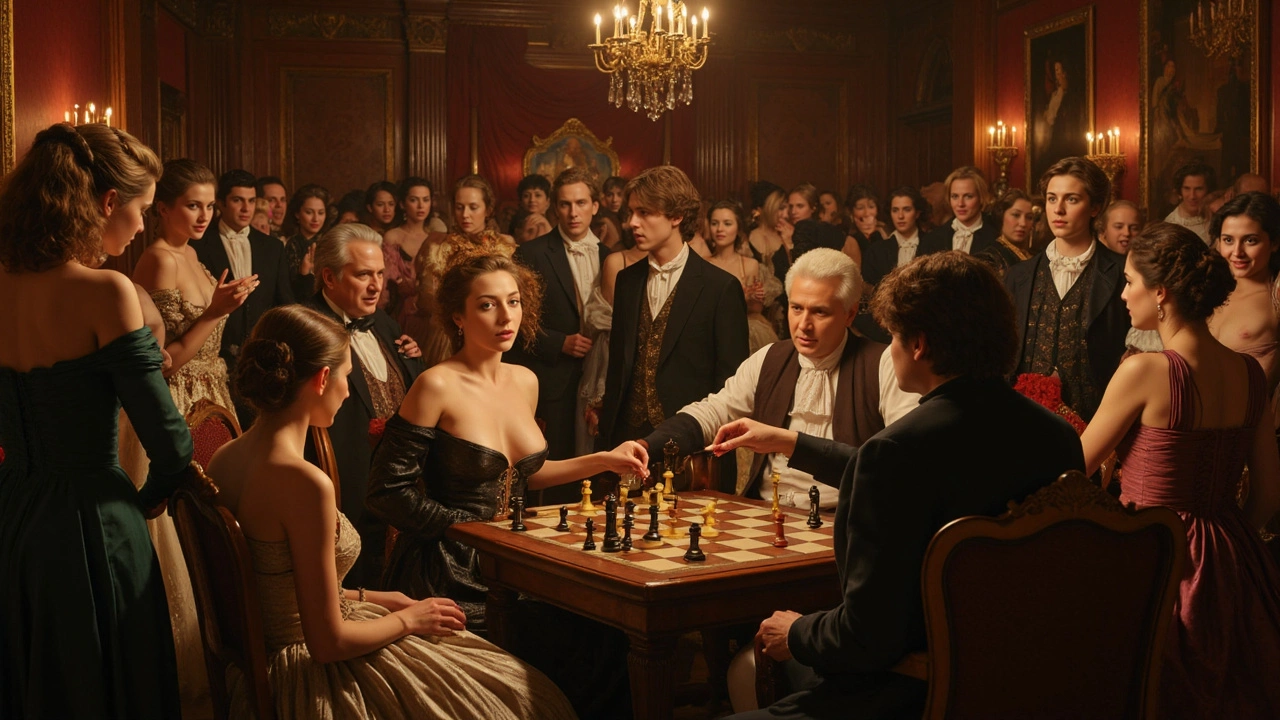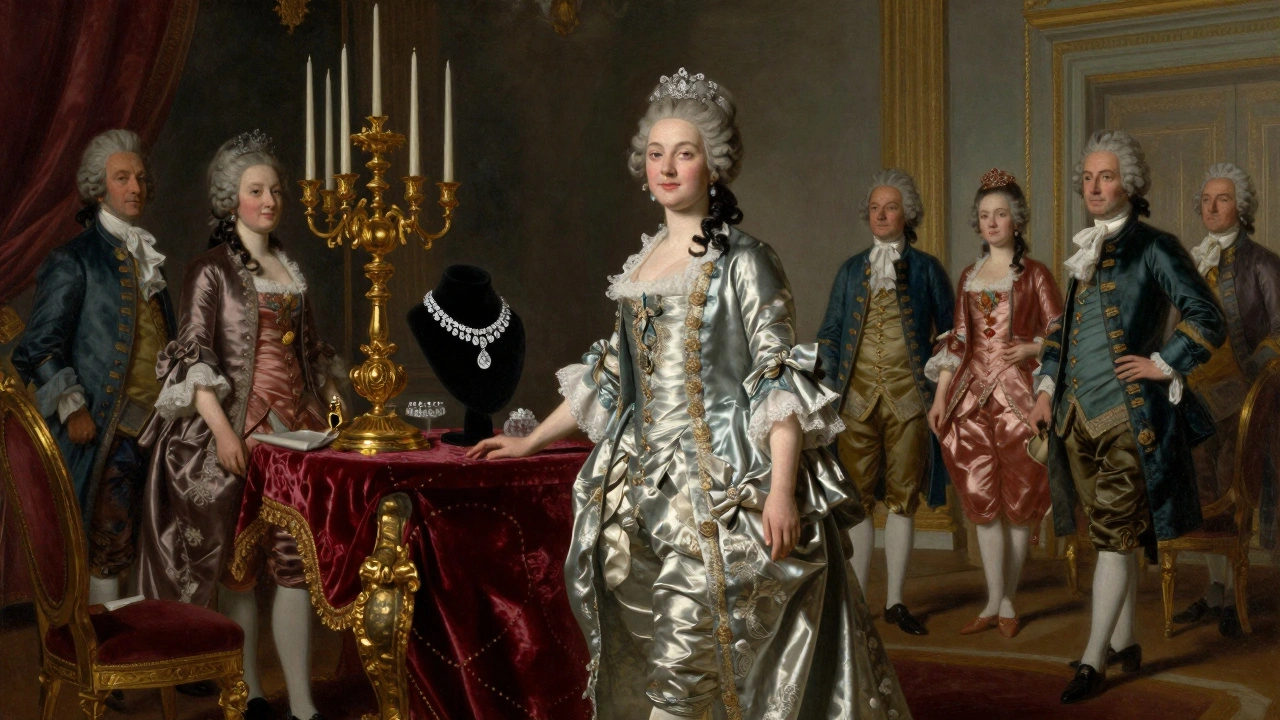
Think of history as a grand stage, and most of the scripts were written by men in suits. But behind the throne, in the salons, and at the dinner tables where real decisions were made, there were women who didn’t hold titles-but held far more power than most kings ever did. These were the courtesans. Not just mistresses. Not just entertainers. They were diplomats, patrons of the arts, financial wizards, and sometimes, the quiet architects of empires.
You might picture them as glamorous figures from old paintings, draped in silk, playing the lute. But the truth? They were survivors. Strategists. Women who turned social exclusion into influence. And a few of them? They changed the course of history.
Who Were the Courtesans?
A courtesan wasn’t just someone who had affairs. That’s a modern misunderstanding. In Renaissance Italy, 18th-century France, or Edo-period Japan, a courtesan was a highly educated woman trained in music, poetry, philosophy, and politics. She was expected to be a conversationalist, a confidante, and sometimes, a political advisor. Her value wasn’t in her body-it was in her mind.
Unlike common prostitutes, courtesans often lived in luxury, owned property, and moved in elite circles. They were hired for their wit, not just their company. In Venice, a top courtesan could earn more than a university professor. In Paris, they hosted salons where philosophers like Voltaire and Rousseau debated ideas that would later spark revolutions.
They weren’t always loved. Many were vilified by the church, mocked by writers, and erased from official records. But their impact? Undeniable.
The Women Who Moved Empires
Let’s talk about five women who didn’t just survive the system-they bent it to their will.
- Ninon de Lenclos (France, 1620-1705): Known as the "Queen of the Courtesans," she ran a salon in Paris that became a hub for Enlightenment thinkers. She refused to marry, lived independently, and wrote one of the first feminist manifestos on sexual freedom. Her advice? "Choose your lovers like you choose your books-based on taste, not duty." She influenced Voltaire and kept the French court buzzing for decades.
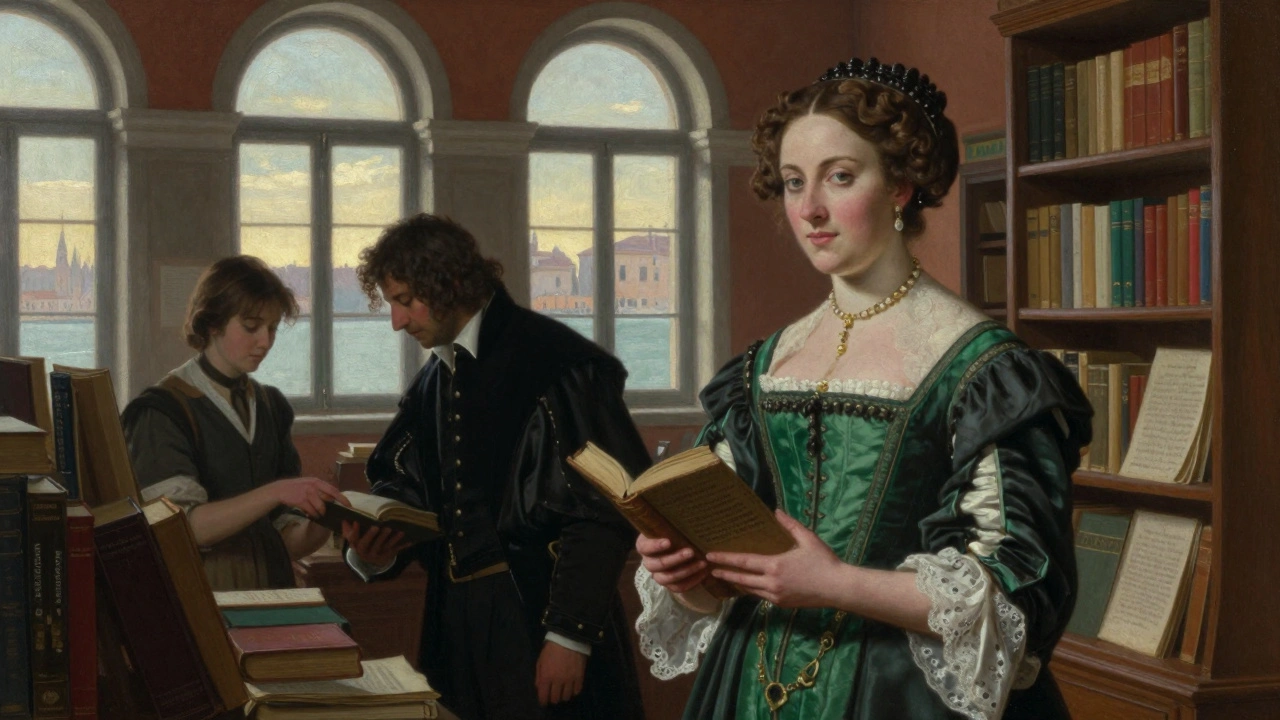
- Veronica Franco (Venice, 1546-1591): A poet, businesswoman, and plague nurse. Franco published two volumes of poetry in a time when women rarely published anything. She defended courtesans in public debates, even writing letters to the Doge to protect her peers from violence. When Venice was hit by plague, she opened her home to care for the sick. She didn’t just survive the system-she rewrote its rules.
- Olympe de Gouges (France, 1748-1793): Often called a courtesan, though she was more of a radical activist who used her connections to push for women’s rights. She wrote the Declaration of the Rights of Woman and the Female Citizen in 1791, directly challenging the male-only French Revolution. She was executed by guillotine. Her words? Still quoted today.
- Yoshitsune no Otomae (Japan, 17th century): A geisha who became the unofficial advisor to Tokugawa Iemitsu, the third shogun of Japan. She wasn’t just a companion-she helped shape policies on foreign trade and domestic law. Historical records show she was the only woman allowed to sit in on high-level council meetings. Her influence lasted long after her death.
- Laurel and the Duchess of Mazarin (France, 17th century): Not one woman, but a network. The Duchess of Mazarin, born Anne Marie Louise d’Orléans, was raised in the French court and became a master of political matchmaking. She used her relationships with courtesans to gather intelligence, influence royal marriages, and even delay wars. One courtesan in her circle allegedly stopped a French-Spanish conflict by leaking secret treaty terms to the Spanish ambassador.
How Did They Gain Power?
These women didn’t get power by accident. They built it.
First, they controlled information. In a world where men wrote history, women like Franco and de Lenclos wrote letters, poems, and memoirs. They turned private conversations into public influence.
Second, they built networks. A courtesan didn’t just sleep with one nobleman. She connected him to others-merchants, artists, diplomats. She was the social glue.
Third, they invested. Many courtesans saved money, bought land, and funded artists. Veronica Franco used her earnings to publish books. Ninon de Lenclos funded writers and philosophers. They didn’t wait for permission-they created culture.
And here’s the kicker: they did all this while being called immoral. They were labeled as dangerous, manipulative, or shallow. But history remembers them differently now.
Why They Were Erased
Power threatens the powerful. When men wrote the history books, they had little interest in honoring women who outsmarted them. Courtesans were either forgotten, romanticized into tragic figures, or twisted into cautionary tales.
Think about it: how many history classes taught you about Ninon de Lenclos? Or Veronica Franco? You might have learned about Louis XIV, but not the woman who shaped his decisions.
Even today, popular media reduces courtesans to sex symbols. But the truth? They were the original influencers. They had no army, no throne, no legal rights-and yet, they moved nations.
The Legacy They Left Behind
Modern feminism didn’t start in the 1960s. It started in the salons of Paris and the bookshops of Venice.
Veronica Franco’s writings inspired early feminist literature. Ninon de Lenclos’ ideas on female autonomy echoed in later movements. Olympe de Gouges’ declaration became a blueprint for gender equality laws.
And in Japan, the geisha tradition-often misunderstood as mere entertainment-was built on the same foundation: skill, intelligence, and subtle power. The most respected geishas weren’t just performers. They were cultural diplomats.
These women didn’t ask for permission. They didn’t wait to be included. They carved out space-and changed the world from the inside.
What We Can Learn Today
There’s a lesson here, hidden in silk and candlelight.
You don’t need a title to have influence. You don’t need to be in charge to shape the future. Sometimes, power comes from knowing how to listen, how to connect, and how to speak when others won’t.
These women remind us that history isn’t just made by generals and kings. It’s made by those who know how to move quietly, think deeply, and act boldly-even when the world says they don’t belong.
Next time you hear the word "courtesan," don’t think of seduction. Think of strategy. Think of survival. Think of a woman who turned her marginalization into legacy.
Were courtesans the same as prostitutes?
No. While both engaged in sexual relationships for money, courtesans were educated, often wealthy, and held social influence. Prostitutes typically worked in lower-class settings with little access to power or education. Courtesans were hired for conversation, art, and political insight-not just physical intimacy.
Did any courtesans have legal rights?
Rarely. Most had no legal standing as women or citizens. But many used wealth and connections to gain de facto rights-owning property, signing contracts, or even suing for defamation. Veronica Franco successfully defended herself in court against slander, a near-impossible feat for a woman at the time.
How did courtesans get their training?
Many were trained from childhood. In Venice, girls were taught music, literature, and etiquette by nuns or retired courtesans. In Japan, geisha apprentices (maiko) trained for years in dance, tea ceremony, and conversation. Their education was more rigorous than many men’s at the time.
Why did noblemen rely on courtesans?
Because courtesans offered what wives couldn’t: intellectual companionship without social obligations. Wives were often married for alliances, not love. Courtesans were chosen for charm, wit, and intelligence. Many noblemen trusted them more than their own advisors.
Did any courtesans become queens?
Not officially, but some came close. Madame de Pompadour, mistress of Louis XV of France, wasn’t a queen-but she controlled royal appointments, influenced art, and shaped French policy for over 20 years. She was more powerful than many queens consort.