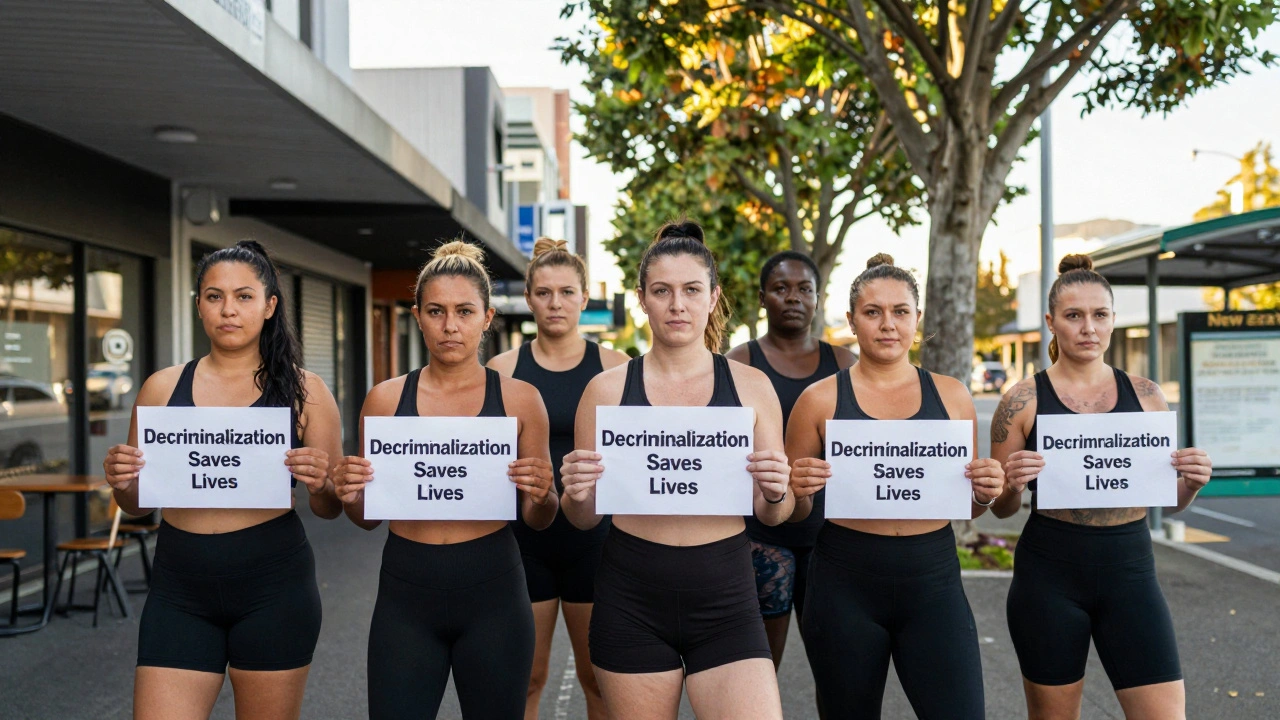
Sex Worker Rights: Understanding Protection, Power, and Real-Life Impact
When we talk about sex worker rights, the legal, social, and human protections afforded to people who exchange sex for money or other compensation. Also known as adult industry rights, it's not about politics—it's about survival, dignity, and the simple need to work without fear. Too many people assume sex work is either all exploitation or all freedom. The truth? It’s messy, personal, and deeply tied to how society treats people who are already on the edges.
sex worker safety, the practical steps and systems that help sex workers avoid violence, scams, and arrest doesn’t come from laws that criminalize clients—it comes from decriminalization, peer networks, and access to health services. In the UK, even though selling sex isn’t illegal, things like soliciting, brothel-keeping, or advertising can land you in trouble. That’s why so many independent workers avoid platforms, use coded language, and rely on trusted reviews—like the ones on this site—to stay safe. sex worker health, the physical and mental care tailored to those in the industry, including STI testing, trauma support, and safe work practices is often ignored by public health systems. But the posts here show real clinics, peer-led support groups, and low-cost testing centers that actually work for people doing this work.
legal risks sex work, the consequences of interacting with sex work under current UK laws, including fines, criminal records, or online surveillance are real—and they hit clients and workers alike. You can’t book an escort without understanding that even private, consensual meetings can lead to police attention if the wrong words are used online. That’s why guides here focus on clear language, discreet booking, and avoiding red flags. And sex worker autonomy, the power of sex workers to control their own work, clients, schedules, and earnings without interference isn’t a buzzword—it’s what separates survival from exploitation. The courtesans of history didn’t just entertain—they owned their income, chose their clients, and built influence. That legacy lives on in the independent escorts in London who set their own rates, screen clients, and walk away from unsafe requests.
What you’ll find below isn’t theory. It’s real stories from people who’ve been there: how to spot a scam, where to get tested without judgment, why a £300 dinner date is safer than a £50 quick meet, and how tech is giving more control to workers than ever before. These aren’t abstract debates—they’re daily choices that keep people alive. And if you’re reading this, you’re already one step closer to understanding what sex worker rights actually mean: not charity, not pity, but respect.
Staying safe as a sex worker means having systems, not luck. Learn practical, real-world strategies for screening clients, using safety tools, knowing your rights, and accessing support across the UK.
View More
Real stories from sex workers in the UK reveal why decriminalization matters, how they survive, and what society gets wrong. No myths. No stigma. Just truth.
View More
Sex workers are rarely protected by law-even when their work is legal. From criminalization to police abuse, the system often puts them at greater risk. Here’s what actually happens-and how real protection could change everything.
View More
Are sex worker laws fair today? In the UK, selling sex is illegal-but buying it isn’t. This creates dangerous conditions for workers. Decriminalization offers real safety. Here’s how laws impact survival, not morality.
View More