Sex Worker Laws in the UK: What You Need to Know
When we talk about sex worker laws, the legal framework governing adult services in the UK, including prostitution, escorting, and independent work. Also known as prostitution laws, it sex work legality, it’s not about banning sex—it’s about controlling where, how, and who can be involved. And that’s where things get messy.
Many people assume that if you’re paying for companionship, you’re breaking the law. But that’s not quite right. In the UK, selling sex, the act of exchanging sexual services for money isn’t illegal. But almost everything around it is. Advertising, soliciting in public, running a brothel, or even sharing a flat with another sex worker can land you in legal trouble. And if you’re the client? Buying sex—even privately—isn’t a crime... unless you’re paying for someone who’s being controlled, exploited, or coerced. Then you’re looking at serious charges under the Sexual Offences Act. This isn’t about morality—it’s about enforcement. Police focus on trafficking, not consensual work. But the gray areas? They put everyone at risk.
That’s why so many escorts in London and beyond go independent. They avoid agencies, don’t advertise openly, and rely on word-of-mouth or private platforms. Why? Because escort legality, the legal gray zone where companionship services operate depends entirely on how you define the service. If you’re paying for dinner, a walk, or conversation—and sex happens later, privately, and consensually—you’re technically not breaking the law. But if you’re booking a "sex service" online, or paying upfront for specific acts, you’re walking a thin line. The law doesn’t care about your intentions. It cares about what’s written, what’s recorded, and who reports you.
And it’s not just about arrest. A single charge—even if dropped—can haunt you. Background checks, visa applications, even job interviews can be affected. That’s why so many clients and workers avoid anything that looks like a transaction. They use cash. They meet in neutral places. They avoid screenshots. They read reviews—not just for quality, but for safety. Because in this world, reputation is your only shield.
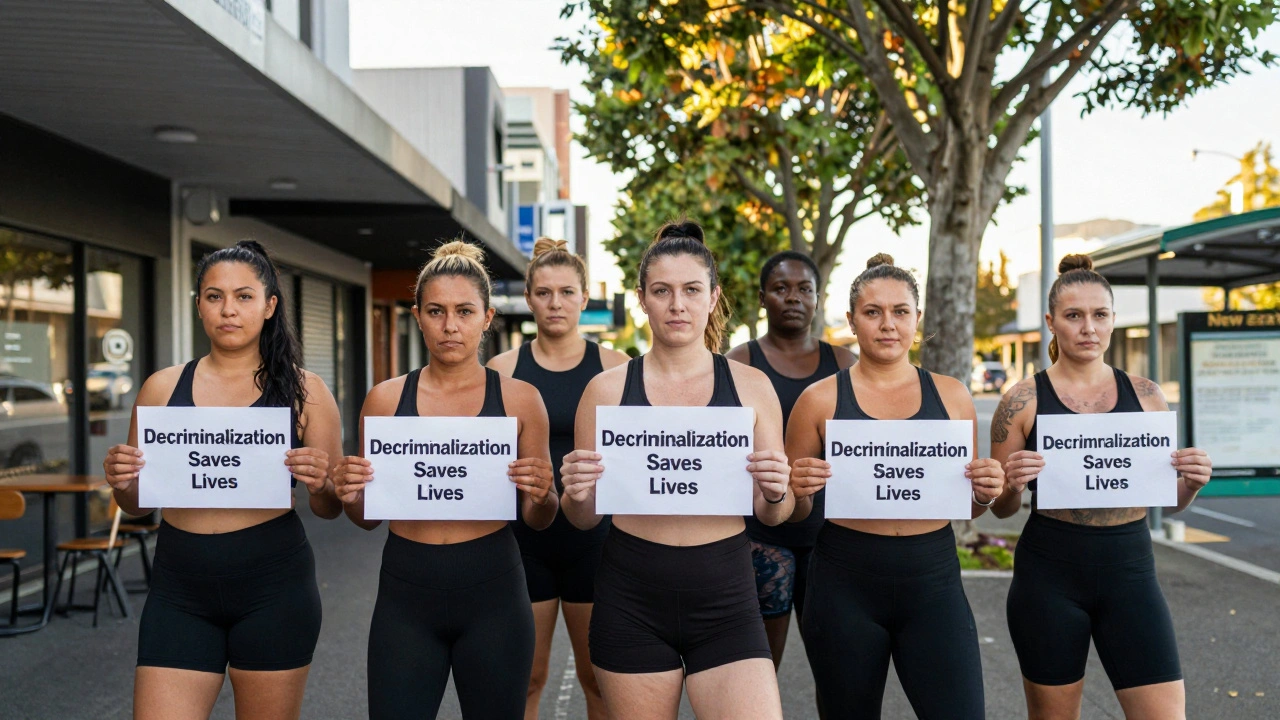
Meanwhile, sex work rights, the movement pushing for decriminalization, health access, and legal protection for adult workers is growing. Groups in the UK are pushing for models like New Zealand’s—where sex work is fully decriminalized and workers can unionize, report abuse, and access healthcare without fear. But until that changes, the system stays stacked. Workers are forced to choose between safety and income. Clients are forced to choose between connection and risk.
What you’ll find below isn’t a legal textbook. It’s real stories from people who’ve been there—how they booked safely, how they avoided scams, how they learned what the law actually means in practice. Some posts talk about hidden risks. Others show how independent escorts navigate the system. A few even explain how courtesan history shaped modern expectations of autonomy and respect. This isn’t about pushing boundaries. It’s about understanding them—so you don’t get caught in them.
Sex workers are rarely protected by law-even when their work is legal. From criminalization to police abuse, the system often puts them at greater risk. Here’s what actually happens-and how real protection could change everything.
View More
Are sex worker laws fair today? In the UK, selling sex is illegal-but buying it isn’t. This creates dangerous conditions for workers. Decriminalization offers real safety. Here’s how laws impact survival, not morality.
View More