

You’ve probably seen headlines about sex work-scandalous, sensational, or stripped down to cold statistics. But have you ever heard the actual voices behind the headlines? Not the myths, not the stereotypes, not the fear-mongering. Just the truth. From people who live it, day after day. This isn’t about judgment. It’s about listening.
What You Need to Know Right Away
- Most sex workers choose this work for financial stability, not because they have no other options.
- Decriminalization reduces violence and improves access to healthcare and legal protection.
- Many sex workers are single parents, students, or people supporting family members.
- Online platforms have changed the industry-more control, less exploitation, but new risks remain.
- Stigma kills. It’s the biggest threat to sex workers’ safety, not the work itself.
Why These Stories Matter
Think about the last time you heard someone talk about sex work. Was it a news clip? A politician’s soundbite? A joke on social media? Chances are, it didn’t sound anything like the real people doing this work.Here’s the truth: sex work is not a monolith. It’s not a crime. It’s not a tragedy. For many, it’s a job-one that pays well, offers flexibility, and gives them control over their time and bodies. But society refuses to see it that way. And that refusal gets people hurt.
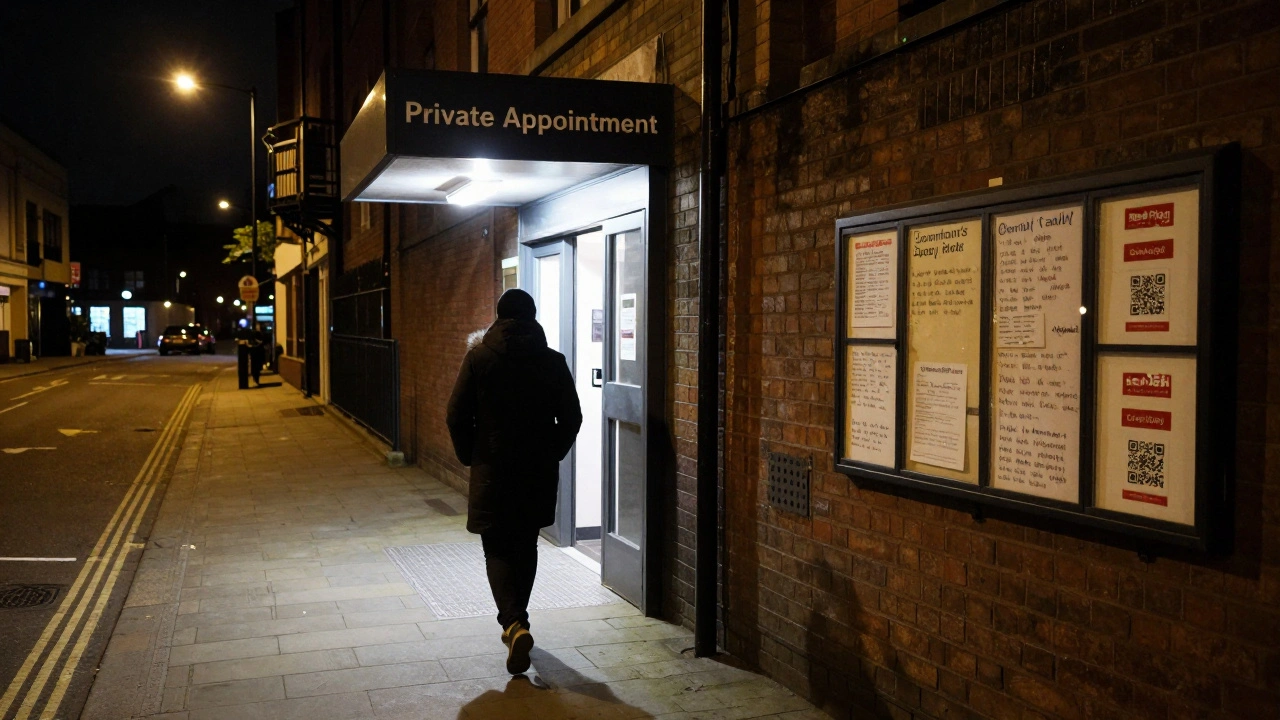
When you criminalize sex work, you don’t stop it. You just push it underground. And when it’s underground, workers can’t report violence. They can’t get medical care. They can’t ask for help when a client turns dangerous. That’s not protection. That’s neglect dressed up as morality.
Who Are These People?
Meet Amina. She’s 34, lives in Manchester, and works part-time as an independent escort while finishing her nursing degree. "I didn’t choose this because I was desperate," she says. "I chose it because I could earn in one week what I’d make in three at a hospital admin job. And I could study when I wanted. No boss breathing down my neck."Then there’s Malik, a 41-year-old trans man who does webcam modeling. "I’ve been doing this since 2019. I support my younger sister through college. I pay my own rent. I’ve never needed government help. But if you ask the cops or the media, they’ll say I’m ‘exploited’-even though I’m the one setting my own rates and choosing my clients."
And then there’s Priya, 28, who left an abusive relationship and started doing street-based work in Salford. "I didn’t have a passport, no savings, and a kid on the way. The only way I could feed us was to say yes. But I never lost control. I had rules. I had backup. I had other workers watching out for me."
These aren’t exceptions. They’re the norm. A 2023 study by the University of Manchester’s Centre for Gender Studies found that 78% of sex workers surveyed had a college degree or higher. Over 60% were supporting dependents-children, elderly parents, siblings. Most entered the work voluntarily. Not because they were forced. Not because they were broken. Because it worked.
How Sex Work Works Today
The old image of streetwalking in a raincoat? That’s a tiny fraction of what’s happening now. Most sex workers operate online. They use platforms like OnlyFans, JustForFans, or private booking sites. Some do in-person sessions-apartment-based, hotel-based, or client-to-client meetups. Others do phone or video work. Some do all of it.Here’s what changed:
- Control: Workers set their own hours, rates, and boundaries. No pimp. No boss. No one telling them what to wear or who to see.
- Screening: Clients are vetted through reviews, shared databases, and safety apps like RedFlag a community-run safety app used by sex workers across the UK to share client warnings and verify identities.
- Income: Top earners make £5,000-£15,000 a month. Even part-timers often earn £2,000-£4,000. That’s more than most full-time retail or hospitality jobs.
And yet-police still raid apartments. Banks still freeze accounts. Social media still bans accounts for "adult content." Why? Because the law still treats this as a moral failure, not an economic reality.
Why Decriminalization Isn’t Just a Policy-It’s a Lifesaver
New Zealand decriminalized sex work in 2003. What happened? Violence dropped by 40%. Workers reported better access to healthcare. Police stopped treating them as criminals and started treating them as citizens. A 2022 review by the New Zealand Ministry of Health found that sex workers were 3x more likely to report assault after decriminalization than before.Scotland is moving in the same direction. In 2025, a pilot program in Glasgow began training police to treat sex workers as victims-not offenders-when crimes occur. The results? A 62% increase in reported assaults, not because more are happening, but because workers finally feel safe enough to speak up.
Here’s the hard truth: criminalization doesn’t protect people. It silences them. And silence kills.
What You Can Expect If You Talk to a Sex Worker
If you sit down with someone who does this work-really sit down, not with a notebook or a camera-you’ll notice something: they’re not looking for pity. They’re not begging for sympathy. They’re asking for one thing: to be seen as human.They’ll tell you about the clients who brought them tea. The ones who asked about their kids. The ones who thanked them for listening. They’ll tell you about the nights they cried after a bad encounter. The times they had to cancel because they were sick. The way they budgeted for rent, groceries, and therapy.
They won’t say, "I’m a victim." They’ll say, "I’m a worker." And they’ll mean it.
How to Support Sex Workers-Without Being a Savior
You don’t need to rescue anyone. What you can do is:- Stop using slurs like "hooker" or "prostitute." Those words are weapons.
- Don’t assume they’re "trapped." Ask them. Listen.
- Support organizations like SWARM a UK-based advocacy group run by current and former sex workers that provides legal aid, housing, and mental health support or Sex Worker Advocacy Network a grassroots group that lobbies for decriminalization and worker rights across England and Wales.
- Vote for politicians who support decriminalization-not "abolition" or "rescue" campaigns that ignore worker voices.
- If you’re a journalist or content creator: stop sensationalizing. Tell real stories. Use real names-with permission.
Myths vs. Reality: What People Get Wrong
| Myth | Reality |
|---|---|
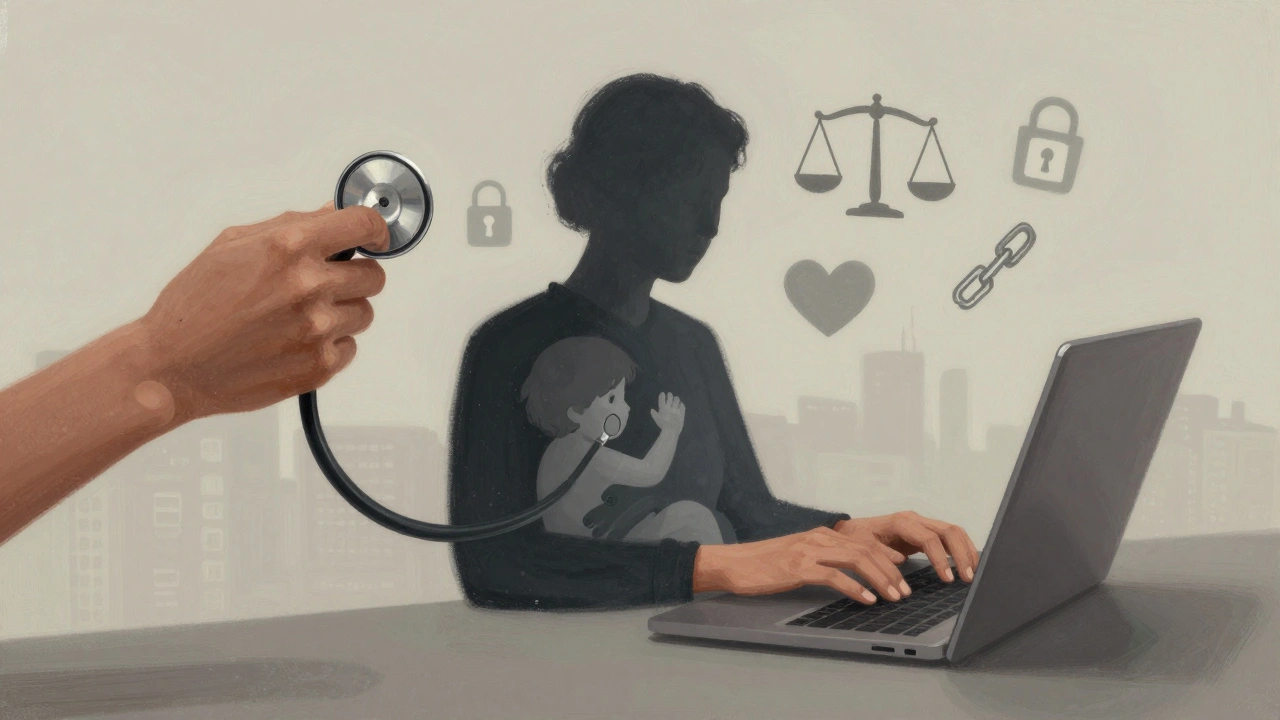
| Sex workers are forced into the trade. | 92% of surveyed workers in the UK entered voluntarily (University of Manchester, 2023). |
| They’re all exploited by pimps. | Less than 5% work under a third party. Most are independent. |
| It’s a gateway to trafficking. | Most trafficking victims are forced into labor or domestic work-not sex work. |
| They’re all young and poor. | Average age: 31. Many have degrees, homes, and savings. |
| Decriminalization = more exploitation. | New Zealand’s data shows the opposite: safety and autonomy increased. |
Frequently Asked Questions
Are sex workers happy with their jobs?
Many say yes-not because it’s easy, but because it gives them autonomy. One worker told me, "I’d rather be in control of my body and my income than be stuck in a job where I’m told when to pee and how to smile." That’s not about romance. That’s about dignity.
Isn’t sex work dangerous?
It can be-but so can any job without legal protection. The danger doesn’t come from the work itself. It comes from being pushed outside the law. Workers who use safety tools, screen clients, and have peer networks report far lower rates of violence than those who work in isolation or fear police.
Why don’t they just get other jobs?
Many tried. They worked in call centers, retail, cleaning jobs. But they couldn’t pay rent, feed their kids, or afford childcare on minimum wage. Sex work pays more. And it lets them work around school runs, medical appointments, or shifts. It’s not a last resort. It’s a smart choice.
What’s the biggest threat to sex workers?
Stigma. Not the police. Not the clients. The shame. The whispers. The way strangers cross the street when they see them. The way employers fire them when they find out. The way families cut them off. That’s what breaks people-not the work.
Can sex work be safe?
Absolutely. With legal protection, access to healthcare, and peer networks, it’s one of the safest informal jobs out there. The problem isn’t the work. It’s the laws that treat it like a crime.
What Happens Next?
The world is changing. More people are realizing that criminalizing sex work doesn’t protect anyone-it just hides suffering. In 2025, the UK Parliament began reviewing decriminalization models. A public consultation received over 12,000 responses-most from sex workers themselves.This isn’t about changing minds. It’s about listening. The people doing this work aren’t asking for charity. They’re asking for the same thing you want: safety, respect, and the right to make your own choices.
So next time you hear a story about sex work-don’t assume. Don’t judge. Just listen.