
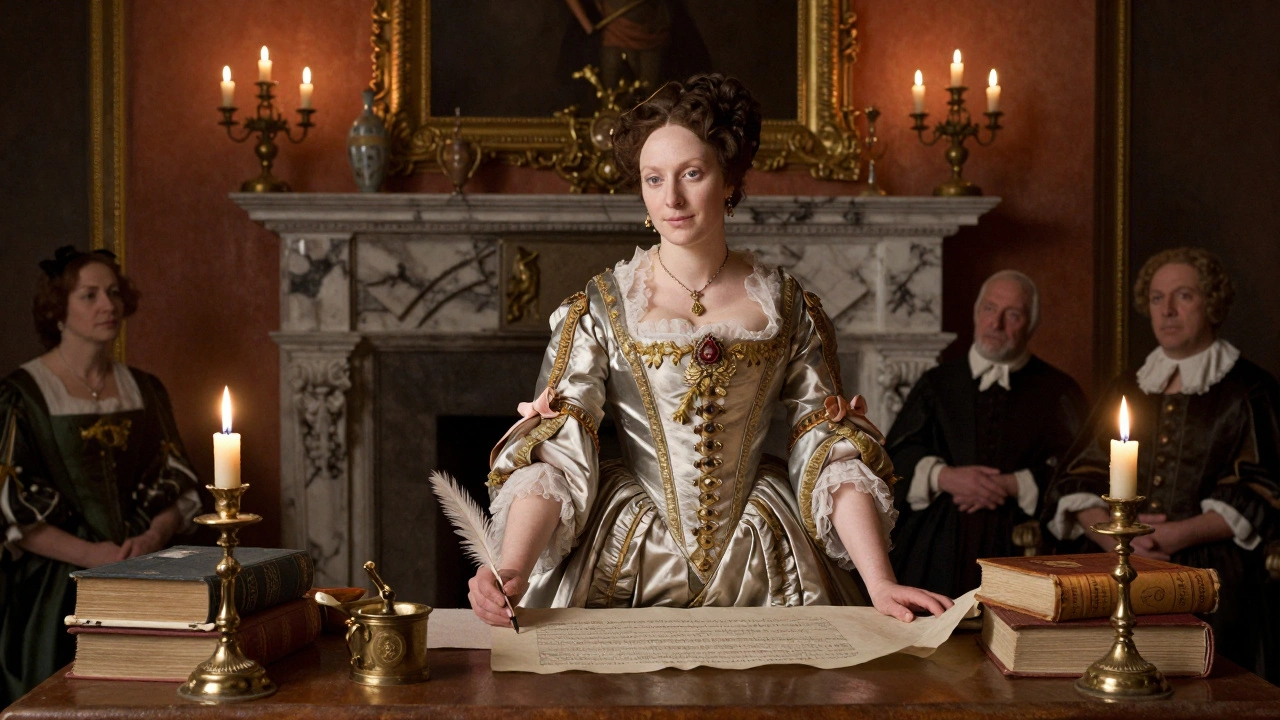
When you think of courtesans, you might picture glamorous women in silk gowns, entertaining kings and poets. But behind the glitter was something far more powerful: courtesans were some of the first women in history to control their own money, bodies, and futures - long before most women could even own property. Their existence didn’t just challenge the rules of their time - it helped rewrite them.
What Courtesans Really Were (And Why They Mattered)
Courtesans weren’t prostitutes. They weren’t slaves. They were highly educated women who built careers based on intellect, charm, and artistry. In 16th-century Venice, 17th-century Paris, or 18th-century Delhi, courtesans could read Latin, compose music, debate philosophy, and negotiate contracts. They lived in their own homes, hired servants, and invested in real estate. Some even became patrons of the arts.
While married women were expected to be silent, obedient, and invisible, courtesans spoke up. They wrote letters to powerful men, sued creditors, and left wills naming their heirs. In a world where women had almost no legal standing, courtesans found loopholes - and exploited them.
How Courtesans Gained Power in a Patriarchal World
How did they do it? Simple: they turned weakness into strategy.
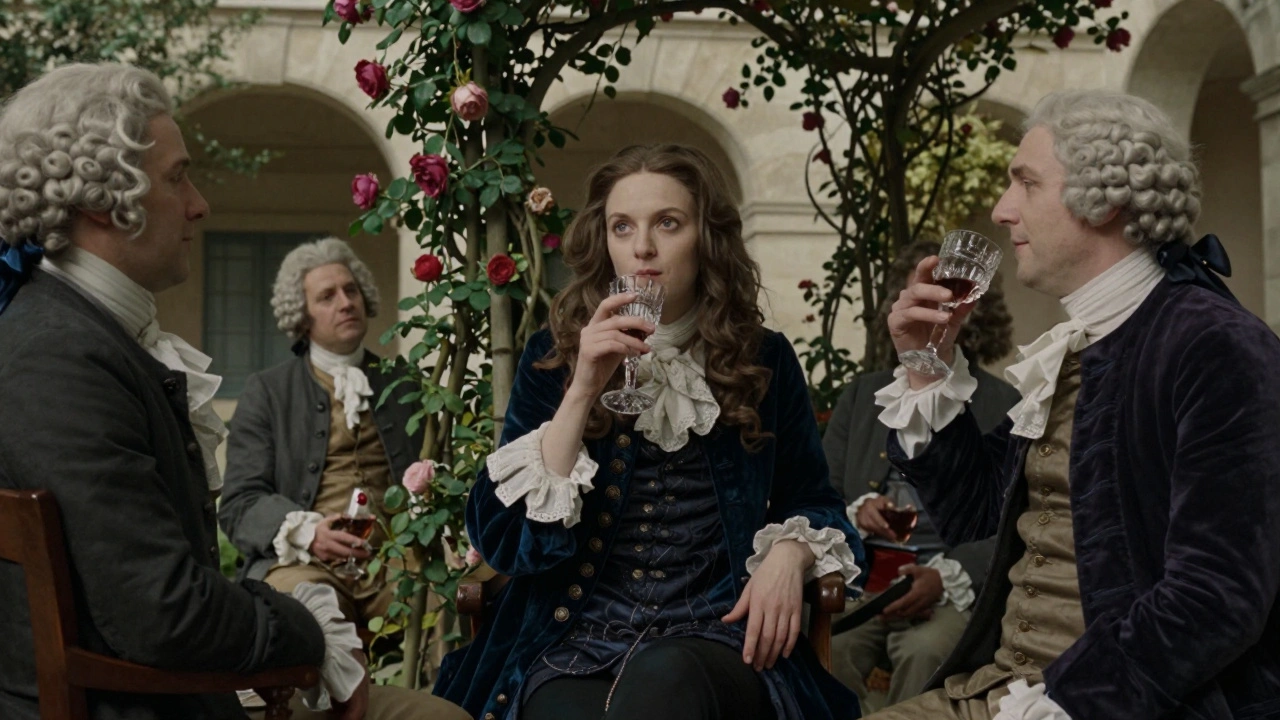
Married women had no right to divorce, no control over their dowries, and no say in who raised their children. But courtesans? They chose their lovers. They set their own fees. They walked away when they were done. Some, like Veronica Franco in Venice, used poetry to defend their dignity in public. Others, like Ninon de Lenclos in France, turned their salons into intellectual hubs where philosophers argued beside poets - and women were treated as equals.
They didn’t need permission to be powerful. They just did it.
The Real Impact on Women’s Rights
Here’s the truth no textbook tells you: the fight for women’s rights didn’t start with suffragettes in 1910. It started with women like these - women who refused to accept the role society handed them.
Courtesans proved that women could be financially independent. They proved that women could be respected without being married. They proved that intelligence and charisma could be more valuable than a family name.
When women in the 1800s began demanding access to education and property rights, they weren’t inventing something new. They were building on a legacy that courtesans had already lived.
Not All Courtesans Were the Same
Courtesans weren’t one type of woman. They came from different backgrounds, lived in different places, and had different goals.
- In Italy, courtesans like Veronica Franco were often from noble families who lost their fortune. They used their education to survive - and thrive.
- In Japan, oiran were trained in dance, tea ceremony, and poetry from childhood. Their status was higher than most wives.
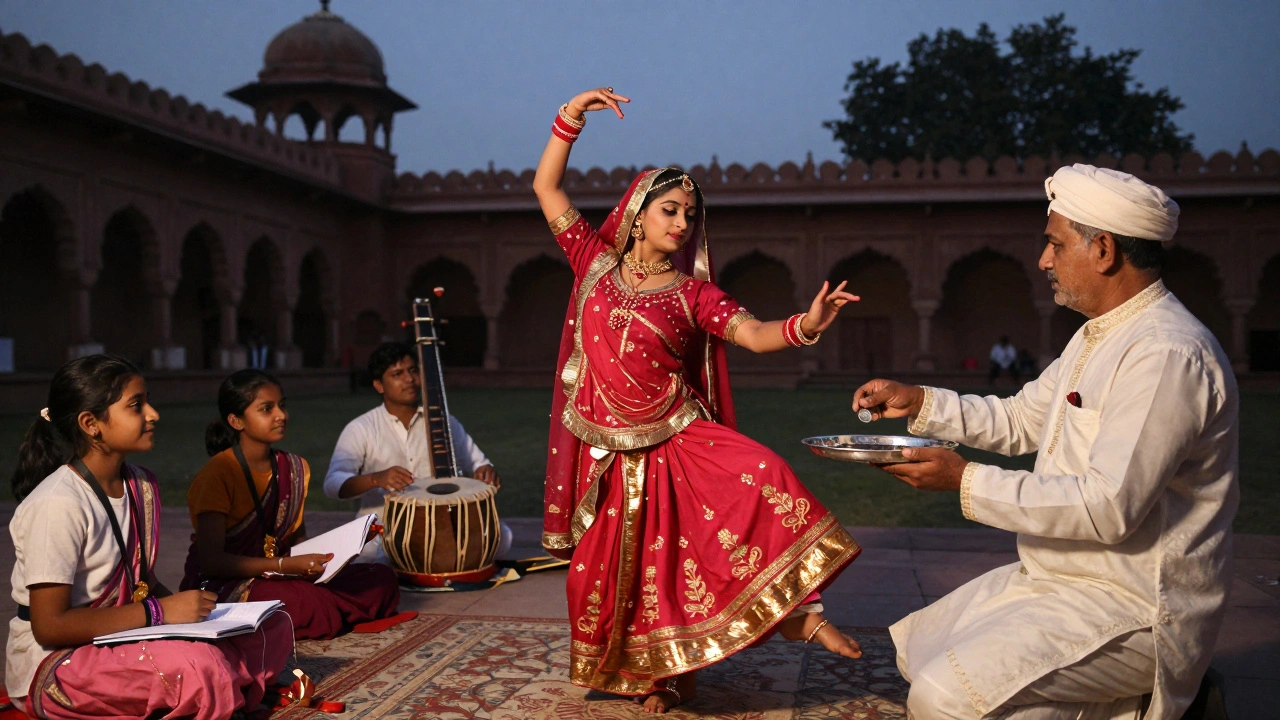
- In India, tawaifs were master performers who taught classical music to aristocrats - including men who later became politicians.
- In France, courtesans like Madame de Pompadour didn’t just have affairs with kings - they shaped foreign policy.
Each of them carved out space for themselves in a world that didn’t want them there. And each one, in their own way, made it easier for the next generation of women to ask for more.
What You Won’t Find in History Books
Most history books treat courtesans as footnotes - decorative figures in the lives of powerful men. But if you dig deeper, you’ll find something else: court records, letters, and diaries that show women making real decisions.
Veronica Franco sued a man who tried to steal her inheritance. Ninon de Lenclos wrote a book on love and sexuality that was banned - but still circulated. In Delhi, tawaifs trained young girls in music and insisted they be paid for their lessons, not just given food and shelter.
These weren’t passive victims. They were entrepreneurs, educators, and activists - working in the shadows, but changing the system from the inside.
Why This Still Matters Today
When we talk about women’s rights, we often focus on voting, pay gaps, or reproductive rights. But the foundation was laid much earlier - by women who refused to be defined by marriage or motherhood.
Courtesans remind us that freedom isn’t always won in parliament. Sometimes, it’s won in a salon, in a letter, in a contract signed with ink, not law.
Today, women still fight to control their own bodies, their earnings, and their voices. The courtesans didn’t have laws on their side. But they had something stronger: courage, intelligence, and the refusal to stay silent.
What to Read Next
If you want to learn more about these women, start with:
- Women of Venice by Patricia Fortini Brown - a deep dive into Veronica Franco’s world
- Ninon de Lenclos: Courtesan and Philosopher by Margaret C. Jacob - how one woman shaped Enlightenment thought
- The Courtesan’s Arts: Cross-Cultural Perspectives edited by Martha Feldman and Bonnie Gordon - compares courtesans across Asia, Europe, and the Middle East
These aren’t just stories about sex. They’re stories about survival. About power. About what happens when women refuse to wait for permission to be great.
Frequently Asked Questions
Were courtesans considered prostitutes?
No. While some courtesans did have sexual relationships, their role was defined by intellect, art, and social influence. Prostitutes were typically poor, uneducated women with no legal rights. Courtesans were often wealthy, educated, and legally protected. Their income came from patronage, not just sex.
Did courtesans have any legal rights?
In many places, yes - more than married women. In Venice, courtesans could own property, sign contracts, and sue in court. In France, they could inherit money and leave it to whomever they chose. Their status was often negotiated through informal agreements, but these were respected by society - and sometimes even the law.
How did courtesans influence feminism?
They didn’t call themselves feminists - the word didn’t exist yet. But they lived the principles: independence, self-determination, and intellectual equality. Later feminists like Mary Wollstonecraft referenced courtesans as examples of women who could thrive outside marriage. Their lives proved that women didn’t need men to be valuable.
Why aren’t courtesans taught in schools?
Because history has long been written by men who wanted to keep women in traditional roles. Courtesans challenged the idea that women’s only value came from marriage or motherhood. That made them uncomfortable to include in official narratives. But modern historians are now reclaiming their stories.
Can we call courtesans early feminists?
Not in the organized sense - they didn’t form movements. But in practice? Absolutely. They fought for autonomy, education, and economic freedom long before those were considered women’s rights. Their actions laid the groundwork for later movements.
Helen Chen
December 2, 2025 AT 08:12This is the most boring history lesson I’ve ever read. Can we just skip to the part where women got the vote already? I don’t care about some 17th-century chick who wrote poems and owned a house - I want my paycheck to match my guy’s.
Kacey Graham
December 4, 2025 AT 04:21you said courtesans weren't prostitutes but then you say they had sexual relationships... that's contradictory. also, 'tawaifs' is spelled wrong in the list. fix your grammar before you try to rewrite history.
Melissa Gainor
December 5, 2025 AT 19:13i really liked how you highlighted the legal stuff in venice and france, but i think you missed how some courtesans were also forced into the role due to poverty or family pressure. not all of them were choosing it like a career move. also, should be 'ninon de lenclos' not 'ninon de lenclos' - tiny typo, but it bugs me lol
demond cyber
December 7, 2025 AT 06:30Let me tell you something - this isn’t just about courtesans. This is about how every single marginalized group in history has carved out dignity through sheer stubbornness. These women didn’t have unions, didn’t have hashtags, didn’t have Netflix documentaries. They had ink, wit, and the guts to say ‘no’ when everyone told them to say ‘yes.’ And you know what? That’s the same energy that’s in every woman today who works two jobs to send her kid to college, who speaks up in a meeting full of men, who refuses to apologize for taking up space. The courtesans didn’t just survive - they turned their oppression into a blueprint. And if you think that’s not feminism, you’re not looking hard enough. History doesn’t hand you rights - people like them clawed them out of the dirt with their nails and their poetry.
Rajesh r
December 7, 2025 AT 14:53India's tawaifs were not just performers they were gurus of classical music many aristocrats learned from them and even today some families still trace their musical lineage to them. Their legacy lives in ragas and recitals not just in books
Eva Stitnicka
December 8, 2025 AT 06:38Calling them early feminists is a stretch. Feminism implies collective action and ideological alignment. These women operated as individuals within a broken system - brilliant, yes, but not activists. They didn’t seek to change the structure; they exploited its cracks. That’s survival, not revolution.
ANN KENNEFICK
December 9, 2025 AT 09:40OMG. I’m literally crying. This is the most beautiful, underdog story I’ve ever read. These women didn’t wait for a seat at the table - they built their own damn table, lit it with candlelight, and invited everyone who dared to think. They weren’t just surviving - they were *thriving* in a world that tried to bury them alive. And now? We’re still fighting for the same damn things. So if you think this history doesn’t matter, you’re not listening. These women are the fire behind every woman who dares to say ‘I deserve more.’ Thank you for shining a light on the unsung queens of power. We owe them everything.