
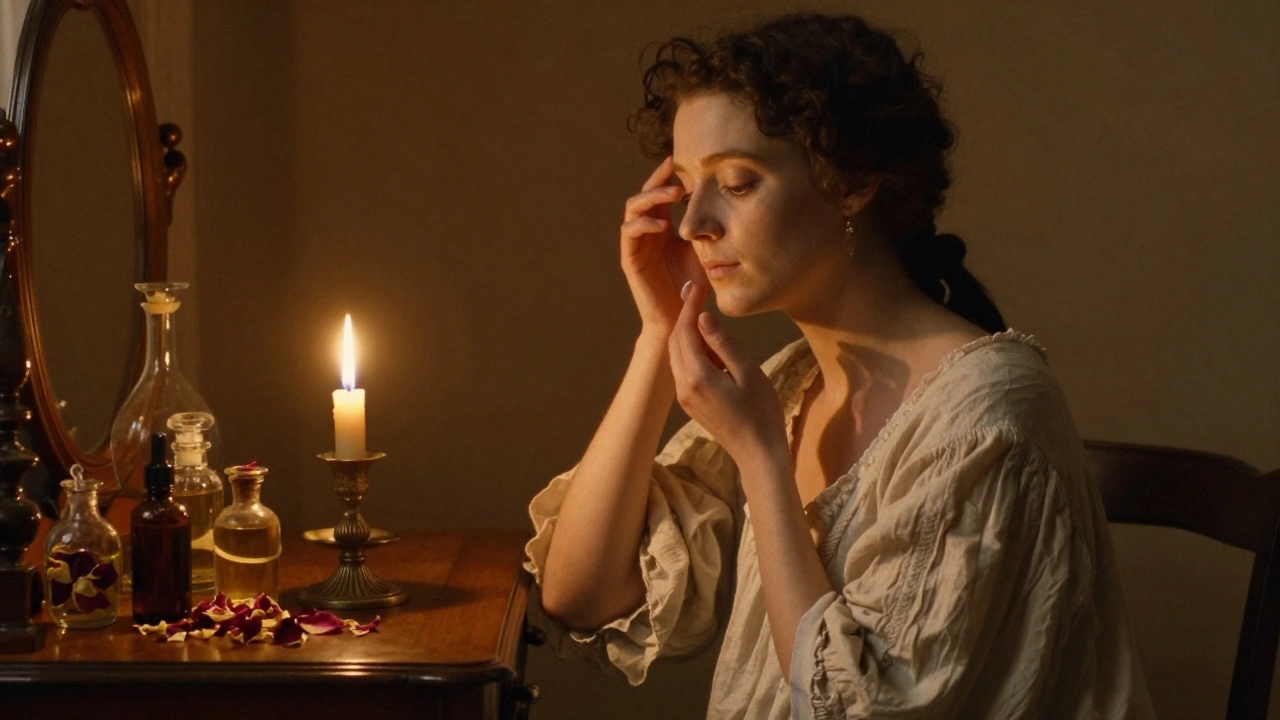
You’ve seen the paintings-women with luminous skin, eyes that hold stories, and a presence that fills a room without saying a word. These weren’t just nobles or queens. Many were courtesans-women who mastered the art of allure not through wealth, but through discipline, ritual, and deep knowledge of the body. Their beauty wasn’t luck. It was learned. And today, those secrets are still alive-in quiet corners of spas, in herbal apothecaries, in the way some women still rise at dawn to cleanse their skin with rosewater.
What Exactly Was a Courtesan?
A courtesan wasn’t a prostitute. She was a highly educated woman, often trained in music, poetry, conversation, and diplomacy. In Renaissance Italy, 18th-century France, or Edo-period Japan, courtesans moved in elite circles. They weren’t just companions-they were cultural icons. Their beauty was part of their profession, yes, but it was also their armor, their currency, their art.
They didn’t have access to modern cosmetics. No serums with hyaluronic acid. No LED masks. No dermatologists. What they did have was time, observation, and access to the finest natural ingredients the world had to offer. They knew what worked-and they passed it down, often in secret.
Why These Secrets Still Matter Today
Modern skincare is a $600 billion industry. And yet, so many products promise results they can’t deliver. Meanwhile, the courtesans-working with nothing but oils, herbs, and sunlight-achieved skin that looked decades younger than their years.
Why? Because they focused on three things we’ve forgotten: rhythm, ingredients, and intention.
They didn’t slap on ten layers of cream before bed. They didn’t chase trends. They listened to their bodies. They worked with nature, not against it. And that’s why their routines still work-better than most drugstore brands.
The Core Beauty Rituals of Historical Courtesans
Let’s break down what they actually did. No fluff. Just the real practices.
- Oil cleansing every night-They used cold-pressed oils like almond, sesame, or olive oil to dissolve dirt and makeup. No foaming cleansers. No harsh sulfates. Just oil, gentle massage, and a warm cloth. This method still works because it preserves your skin’s natural barrier.
- Rosewater toner-Distilled rose petals were mixed with rainwater and stored in glass bottles. Sprayed on after cleansing, it soothed redness, tightened pores, and gave a subtle glow. Today, you can buy pure rosewater for under £10. Skip the alcohol-laden sprays.
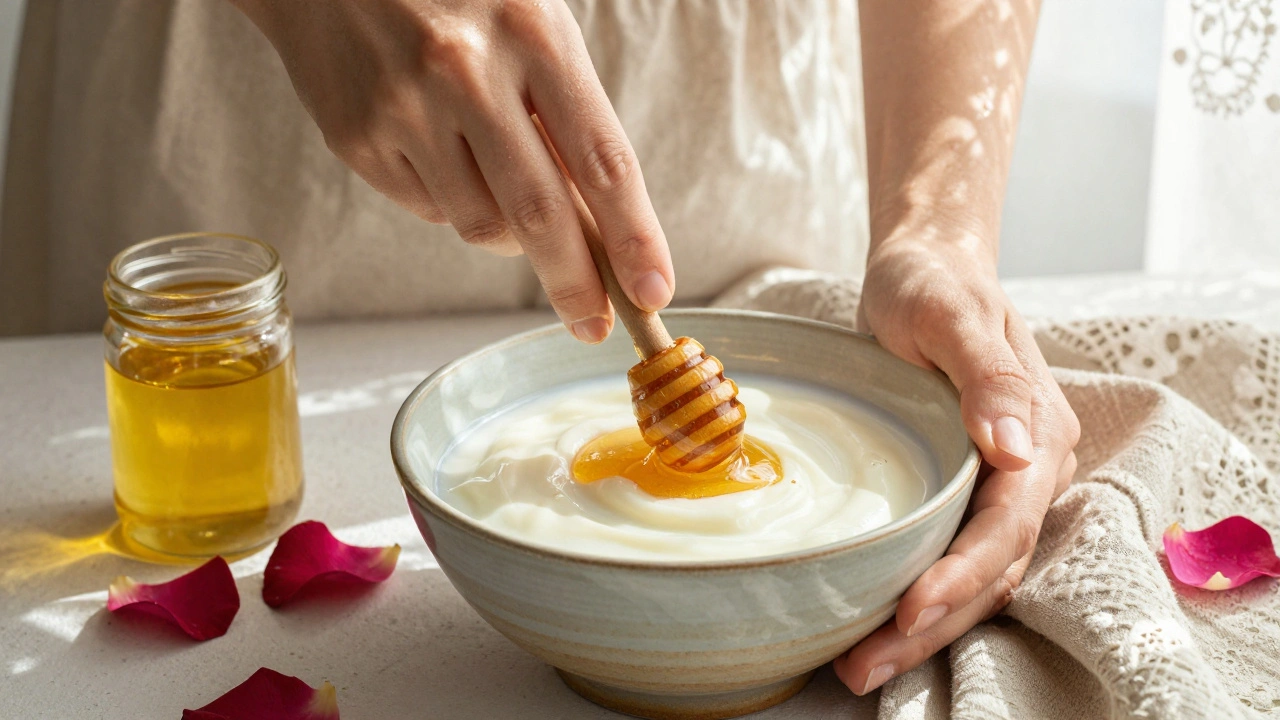
- Face masks from honey and milk-Honey was prized for its antibacterial properties. Milk, rich in lactic acid, gently exfoliated. Courtesans mixed them into thick pastes and left them on for 20 minutes. It’s the original “slugging” routine.
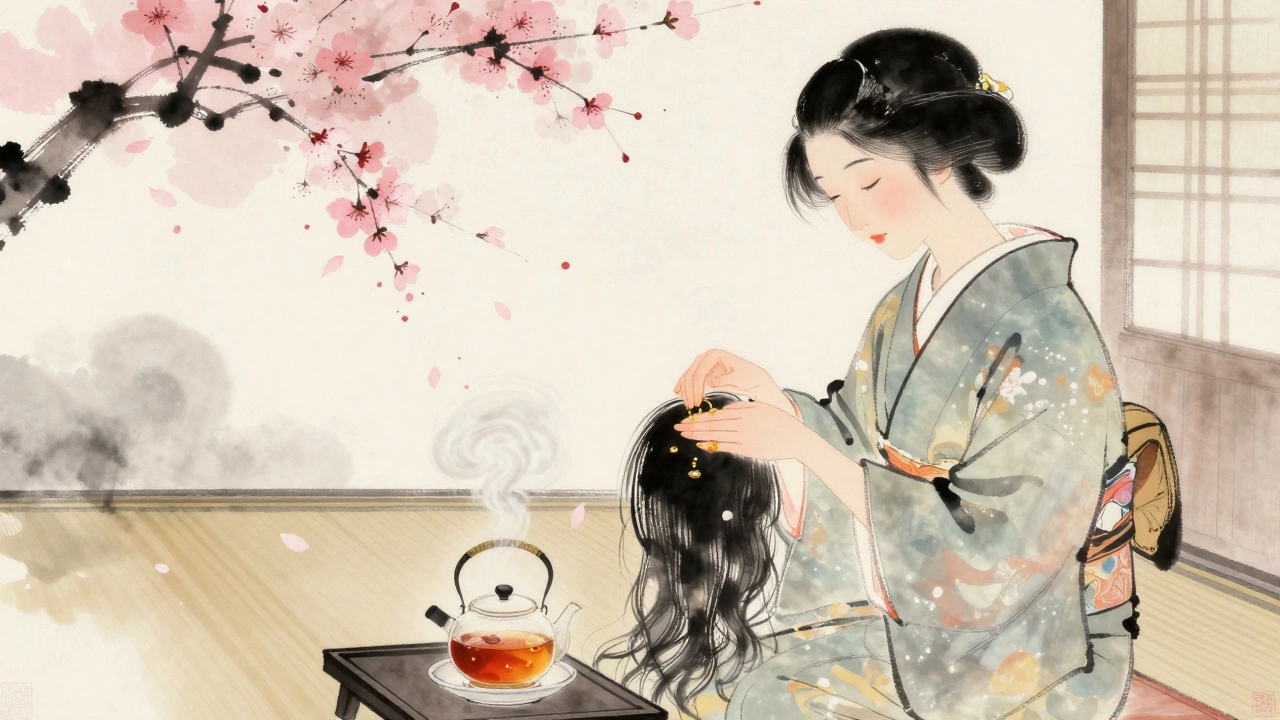
- Scalp and hair oiling-They massaged warm coconut or argan oil into their scalps twice a week. Not just for shine-for circulation. Better blood flow meant thicker hair and fewer headaches.
- Rest before dawn-They slept before 10 p.m. and woke with the sun. Why? Because skin repairs itself between 10 p.m. and 2 a.m. No gadget can replace deep sleep.
These weren’t occasional treatments. They were daily habits. The kind that take months to show results-but last a lifetime.
Makeup: Less Is More
Courtesans didn’t wear full-coverage foundation. They didn’t contour or highlight. Their goal was to enhance, not disguise.
In Venice, they used crushed pearls mixed with egg white to brighten the skin. In Japan, courtesans applied white rice powder to create a porcelain look-but only on the face and neck, never the chest. Why? Because it looked natural under candlelight.
They used crushed beetroot for blush. A tiny dab, blended with fingertips. For lips, they chewed saffron threads or used pomegranate seed paste. No synthetic dyes. No parabens. Just what grew in the earth.
Modern makeup tries to look flawless. Courtesans aimed for luminous. There’s a difference.
How to Adapt These Secrets Today
You don’t need to live like an 18th-century noble to use these methods. Here’s how to start:
- Swap your foaming cleanser for a gentle oil cleanser (jojoba or sweet almond oil work well).
- Keep a bottle of pure rosewater in your fridge. Spritz it after washing your face.
- Once a week, mix a tablespoon of raw honey with two teaspoons of whole milk. Apply to your face. Relax for 15 minutes. Rinse with cool water.
- At night, massage two drops of rosehip oil into your cheeks and forehead. It’s rich in vitamin A and fatty acids-proven to reduce fine lines.
- Go to bed by 10:30 p.m. at least four nights a week. No screens. Just quiet.
That’s it. Five simple steps. No expensive gadgets. No 12-step routines. Just nature, patience, and consistency.
What They Didn’t Do (And What You Should Avoid)
Courtesans knew what to avoid as much as what to use.
- No alcohol-based toners-They knew alcohol dried skin out and made wrinkles worse.
- No heavy powders-They avoided cakey makeup. It clogged pores and looked unnatural in candlelight.
- No extreme diets-They ate well: seasonal fruits, fermented foods, bone broths. Beauty came from inside.
- No over-exfoliating-They didn’t scrub daily. They believed in gentle renewal, not punishment.
Modern beauty tells you to scrub, peel, and blast your skin. Courtesans believed in harmony. Your skin isn’t a battlefield. It’s a garden.
Comparison: Courtesan Routine vs. Modern Skincare
| Aspect | Courtesan Approach | Modern Approach |
|---|---|---|
| Cleansing | Oil + warm cloth | Foaming cleansers, micellar water |
| Toning | Rosewater or herbal infusions | Alcohol-based toners, witch hazel |
| Exfoliation | Weekly milk-honey mask | Daily chemical peels, scrubs |
| Moisturizing | Plant oils (almond, sesame, rosehip) | Heavy creams with silicones |
| Makeup | Minimal, natural pigments | Full coverage, contouring |
| Internal Care | Seasonal foods, herbal teas, sleep | Supplements, protein shakes, caffeine |
The difference isn’t just ingredients. It’s philosophy. One is about control. The other is about balance.
What to Expect If You Try This
Don’t expect overnight magic. But after four weeks, you might notice:
- Your skin feels softer-not greasy, but supple.
- Redness fades, especially around your nose and cheeks.
- Your makeup applies more smoothly.
- You wake up feeling rested, not drained.
- You stop reaching for the latest serum because you realize: you already have what you need.
This isn’t about looking like a model. It’s about looking like yourself-just brighter, calmer, more alive.
Frequently Asked Questions
Can I use these beauty secrets if I have acne-prone skin?
Yes. Courtesans often dealt with skin issues too. Honey is naturally antibacterial. Rosewater reduces inflammation. Almond oil won’t clog pores. Start with the honey-milk mask once a week. Avoid heavy oils like coconut if your skin is oily. Stick to lighter options like jojoba or grapeseed.
Are these methods safe for sensitive skin?
Extremely. These are gentle, non-irritating ingredients. But always patch test. Put a drop of oil on your inner wrist. Wait 24 hours. If no reaction, you’re good. Courtesans didn’t test on thousands-they tested on themselves. That’s how you learn what works.
Do I need to buy expensive products?
No. A bottle of pure rosewater costs less than a latte. Raw honey is available at any grocery store. Rosehip oil might be £15-but it lasts six months. You’re spending less than you would on one bottle of high-end serum. And you’re using real food, not chemicals.
How long until I see results?
Most people notice a glow within two weeks. Skin texture improves in four. Fine lines soften after eight weeks. This isn’t a quick fix. It’s a slow transformation. That’s why it lasts.
Can men use these courtesan beauty secrets too?
Absolutely. Men’s skin ages just like women’s. Oil cleansing reduces razor burn. Rosewater calms irritation. Honey masks fight breakouts. Sleep and diet? Those matter for everyone. Beauty isn’t gendered. It’s human.
Final Thought: Beauty as a Practice, Not a Product
The courtesans didn’t buy their glow. They earned it. Through quiet mornings. Through patience. Through listening to their bodies when the world told them to rush.
You don’t need to be a noble to live like one. You just need to slow down. To choose a drop of oil over a bottle of chemicals. To sleep instead of scrolling. To trust what nature has always offered.
Your skin remembers. And if you give it the right rhythm, it will thank you-for years.